

 By
As I began my studies on barre ballet, I found that many books claim to offer the same promise: long, lean muscles and a dancer’s body in only a few weeks. What little they tell you is what evidence tells you about fat loss and body composition.
Barre ballet is a low impact exercise that takes some of the positions from ballet and combines them with Pilates, yoga and strength training. Can develop strength, posture and muscle endurance. It doesn’t get you fatburning fast and easy from one area, and I am not about to give you inflated expectations.
In this article, you’ll learn what barre ballet is, what studies reveal, how it supports weight loss, the barre ballet plan for all fitness levels over 4 weeks and the barre ballet mistakes that hinder progress.
What Is Barre Ballet?
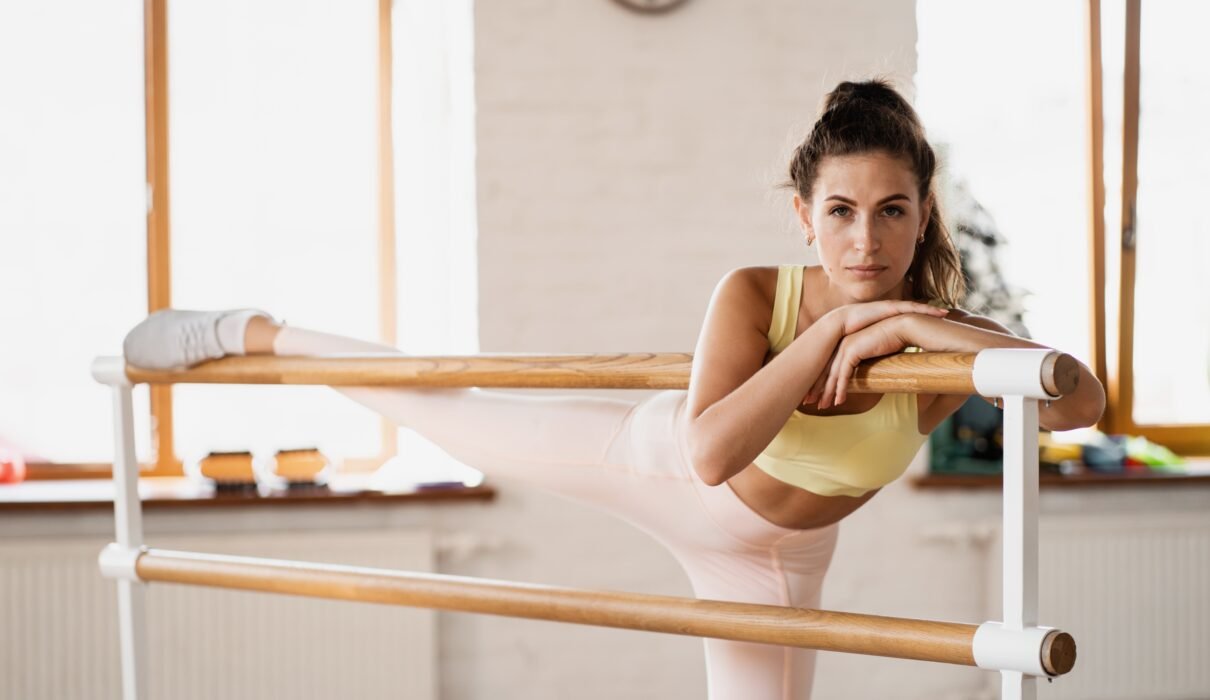
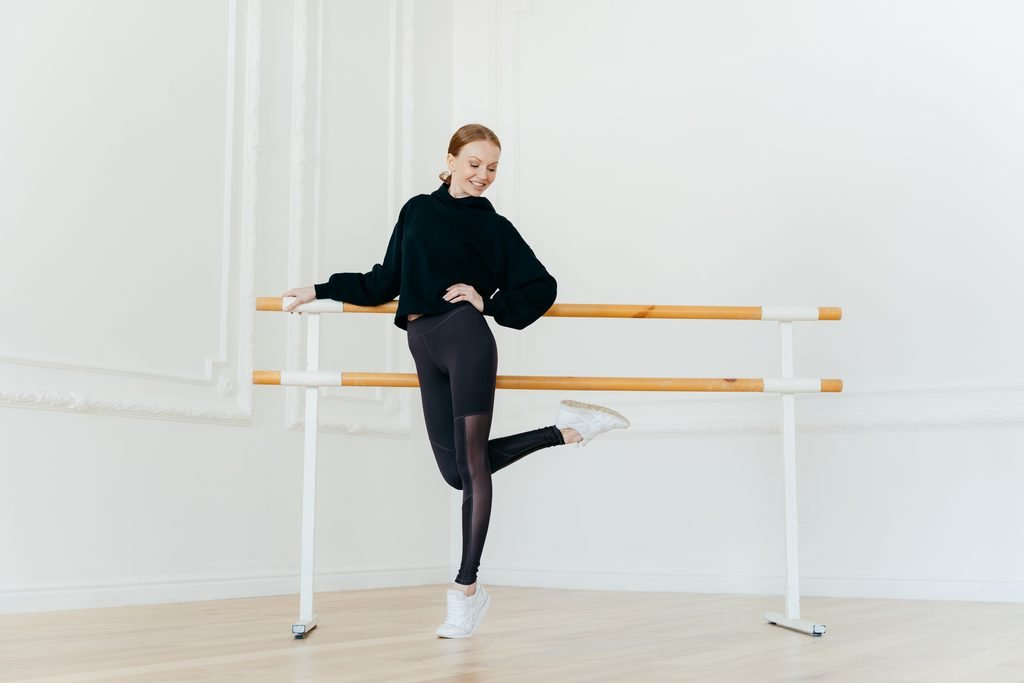
At barre, barre ballet classes will use a ballet barre or a sturdy chair at home to stand balanced on, and perform small, controlled movements. Pliés, relevés and leg lifts held for extended periods of time, typically until the muscles begin to tremble. Light dumbbells, a small ball and/or a resistance band are often added to many classes.
The style is determined by two ideas. First, the movement is small and usually only a few centimetres and tension is used in the movement. Second, they work on 1 muscle group per class, typically glutes, thighs and core, before moving on when that muscle group is tired.
No experience in dance required. To get started, studios like Pure Barre offer 30-minute introductory classes as well as 50-minute classes, which vary from flexibility classes to classes with interval training. The same rules apply at home: a chair and mat.
The actual research results.
There isn’t a lot of research done on the Barre area, so I’ll be cautious.
A study that followed 30 sedentary female office workers for 8 weeks found that those who took three, 60-minute barre classes per week saw a decrease in their depression levels compared to those who didn’t follow the classes. The lower-limb and core strength and endurance of the barre group gained more than that of the control group.
A 12-week program with 20 women in their twenties was implemented using a ballet floor barre program. It claimed improvements in lean body mass, muscle endurance and cardiovascular endurance, and good changes in triglycerides and HDL cholesterol.
All of these studies indicate that barre ballet may provide benefits of enhanced muscular fitness and some health markers. Both were short and small, however, and not intended to be a fat loss workout. So far, I haven’t seen any big studies that prove that barre is a significant weight loss method. I’m the one who’s hesitant to believe words like, “lose inches in weeks” and that’s the biggest deficiency in most barre articles.
Barre ballet and barre weight loss: Realistic expectations
Barre ballet is a small piece of the energy deficit that is required to achieve weight loss. The small nature of the movements and low impact means that the calorie burn is typically less than when running or cycling or performing an interval training session. On average, people can consume approximately 150 to 300 calories per 50-60 minute class (this varies by class intensity and body size). This is an approximation, not a precise measurement of your body.
The thing that barre ballet helps with is body composition; it’s the muscle to fat ratio. Work that targets strength can help shape and tone lean muscle that may cause you to fit the clothes differently even if you don’t lose weight. So I recommend you measure waist size, photos and strength not just weight.
There are two mistaken assertions that need to be debunked.
Spot reducing fat isn’t possible.
Research on targeted training, such as 6 weeks of abdominal exercises, has failed to demonstrate any additional fat loss around the trained area. Fat will be lost from the entire body, while Barre can strengthen the glutes, thighs and core.
Muscles are not stretchable.
The length of a muscle is determined by the point of attachment to bone. The ‘long lean’ appearance is achieved by toning and, if desired, reducing the amount of body fat.
The shaking so many instructors extol is also in need of a clarification. It conveys the message that a muscle is tiring, an important warning to change positions. The shaking doesn’t seem to be a predictor of fat loss to me.
How to Make Barre Ballet Work for Fat Loss?
According to the public health recommendation, such as that from the WHO, this consists of 150 to 300 minutes of moderate aerobic exercise per week and at least 2 days of muscle strengthening exercises. There is a component of strength in barre ballet but not aerobic. This is the way I would merge it.
- Use with cardio
- Increase physical activity: brisk walking, cycling or swimming 2-3 times per week. This is what makes the calorie counter move.
- Add resistance
- Light loads with repeated small movements eventually cease to challenge stronger muscles, so implement heavier loads from time to time.
- Eat for your goal
- Compensatory feeding will be inadequate to cover a high level of consumption. If you’re in a moderate calorie deficit, with adequate protein to preserve muscle, then you’ll be fine.
- Stay consistent
- It takes 8-10 classes a week, or 3 sessions a week to get visible results. This is a marketing statement and not a trial result, but the frequency is logical.

The things you need to begin with
Equipment is minimal. You’ll need a sturdy chair or countertop to help with balance, a mat, grip socks or bare feet, and (optional) light dumbbells and resistance band. For leg pieces, wear fitted leggings and for the top a nice, comfortable garment that will allow you to see your knee/hip alignment. Baggy clothes can be comfortable, but tight gear will help to make sure you are in proper form. If you train on an empty stomach, have water available and a light snack before your workout.
A 4-week barre ballet plan for all fitness levels.
Pick the level that is appropriate for you and stay at that level until the movements are regulated.
| Level | Barre sessions | Cardio | Session length |
| Beginner | 2 per week | 2 walks of 20-30 min | 20-30 min |
| Intermediate | 3 per week | 2 sessions of 30 min | 30-45 min |
| Advanced | 3-4 per week | 2-3 sessions, including intervals | 45-60 min |
The order of each session is the same:
- Warm up (5 minutes): march, hip circles and slow leg swings.
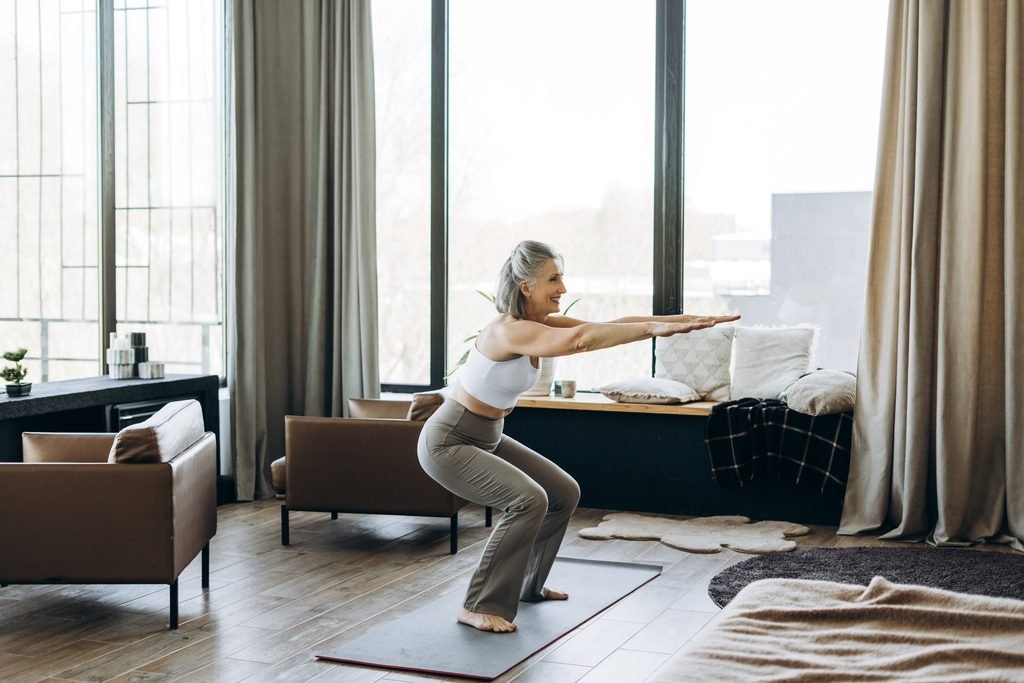
- Pliés and squats (6-8 minutes): wide second position plié, maintaining the plié for 5 seconds.
- Standing leg work (6-8 mins): small lifts to the back and side holding the last few reps.
- Core and tuck (5 minutes): pelvic tilts, planks and slow tucks (neutral lower back).
- Cool Down (3-5 minutes): Slow stretches when muscles are warm.
For weeks 1 and 2, the emphasis is on form using bodyweight only. During week 3 increase a couple of reps or weights. Week 4: Tempo reduction, increasing the hold. If pain is felt, stop, do not wait until the muscles are fatigued.
Ballet Mistakes made by Common People
- Taking too large of a step. Large swings relieve tension on the muscle. The smaller and slower, the better.
- Chasing the shake. The aim of fatigue, not the pain or shaking, for its own sake.
- Arching the lower back. A gentle pelvic tilt is protective for the spine and maintaining a core engagement.
- Only working out at barre. It is excellent for muscular endurance, although you will still require cardio and more intense strength training to burn fat.
- To evaluate progress from the scale. Muscle building and fat loss is possible to achieve simultaneously, so monitor measurements and strength as well.
Finding a way to keep track of your progress
Since barre ballet affects the body composition rather than body weight, I recommend checking a few simple checks every 2-4 weeks:
- Waist and hip measurements which are taken at the same point every time.
- Examples of strength markers: how long you hold a plié, how many controlled reps you can do.
- Posture and balance, such as balancing on one foot for a period of time.
- Increased energy and mood, which frequently precede the body changes.
Who Should Be Careful
Barre ballet is low impact and would be good for most healthy adults, but please consult a doctor if you are pregnant, recovering from surgery, are affected by a joint condition or have very flexible joints. Studios generally ask pregnant members to get medical approval and to tell the instructor. Don’t lock knees and discontinue if sudden pain, dizziness or numbness occurs.
My Final “Boring’’ Thoughts
Ballet barre is a great method to develop strength, posture and muscular endurance while minimizing joint stress and is accessible for all fitness levels. The research is positive, but limited, and does not indicate that barre is a significant fat loss technique.
I recommend seeing it as a part of the whole program of activity that consists of cardio, heavier strength work, smart food choices and adequate rest. Moderate expectations, measure more than your weight, and only pay attention to how well you move. It’s what makes people stick around for the long-term.
