
 By
By 
When I began my search for information on Pure Encapsulation Multivitamins, I discovered that the choice is not as simple as it seems.
There are multiple Pure Encapsulations multivitamins to choose from, with varying recommended serving sizes, ingredients, and general purposes.
It can be hard to say which is the most useful product between O.N.E. Multivitamin, Nutrient 950, PureGenomics Multivitamin, and others.
The trouble is that shopping for supplements can tempt people to focus on what a product promises rather than what they truly need.
That is not what I intend here. Instead, I think it is worth examining what separates these products and what actually matters when comparing them.
What Do Multivitamins Actually Do?
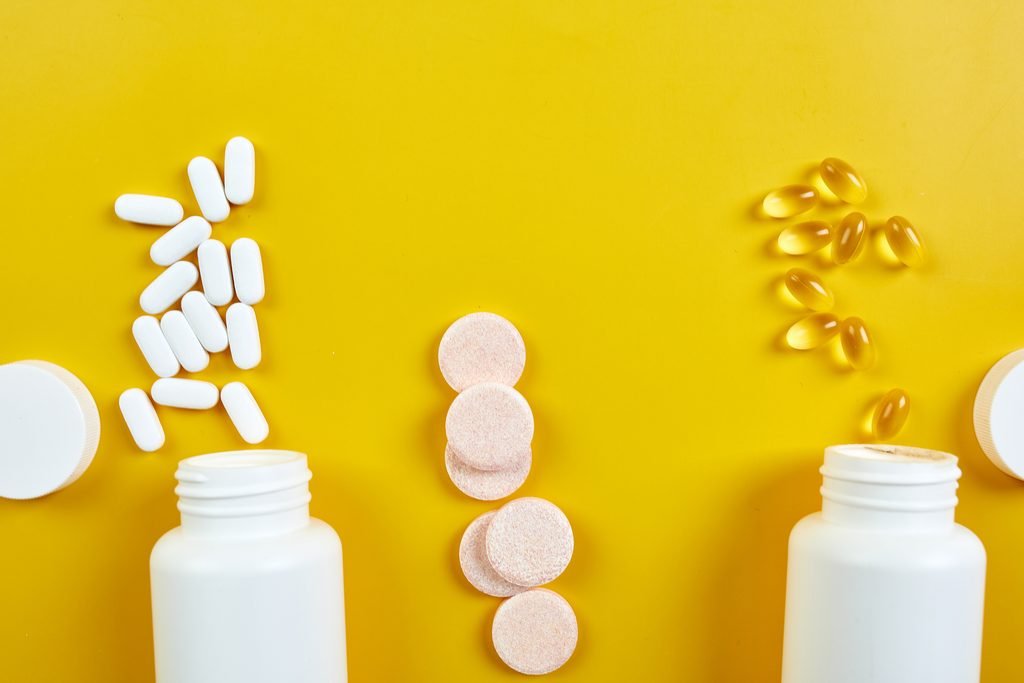
A multivitamin is a dietary supplement that combines a variety of vitamins, minerals, and sometimes other ingredients.
The goal is to supply extra nutrients.
That can be valuable because some people may have nutrient needs that are not fully met by the foods they regularly eat.
However, diet should still be the primary source of nutrition.
The NIH Office of Dietary Supplements explains that multivitamin and mineral supplements cannot replace the nutritional benefits of eating a varied diet.
Foods provide more than isolated vitamins and minerals. They also contain fiber and other components that can contribute to health.
I would also say that higher amounts are not automatically better.
It is possible to consume too much of certain vitamins and minerals, particularly when a multivitamin is combined with fortified foods and additional supplements.
The NIH identifies nutrients including iron, vitamin A, zinc, niacin, and folic acid as examples where excessive intake can become a concern.
I prefer to think about a multivitamin as a way to address potential nutritional gaps rather than a shortcut to improving overall health.
Multivitamin Quality Versus Quantity: What Matters More?
When it comes to quantity versus quality, I do not think the answer is immediately obvious.
A long list of ingredients may look impressive, but that does not necessarily make a product more appropriate.
Some of those nutrients may already be available in everyday foods, fortified products, or other supplements.
This is also why I pay attention to dosage.
If someone takes a multivitamin containing iron, vitamin A, or zinc while also using separate supplements containing those nutrients, the total intake can add up.
The FDA guide to dietary supplements advises consumers to consider both potential benefits and risks and notes that problems can arise when supplements are combined, taken in excessive amounts, or mixed with medications.
If I were trying to determine what makes one multivitamin more suitable than another, I would not begin by asking:
Which one has more ingredients?
Instead, I would ask:
- What nutrients does the formula contain?
- What amount does each serving provide?
- How many capsules are required each day?
- Am I already getting some of these nutrients elsewhere?
- Does it contain iron, iodine, vitamin K, or other nutrients that deserve extra consideration?
Those questions tell me much more than the number of ingredients printed on the front of a bottle.
Pure Encapsulations Multivitamins Compared
Pure Encapsulations offers several multivitamin products, and each has a somewhat different focus.
| Formula | General Purpose | Recommended Serving | Noteworthy Difference |
| O.N.E. Multivitamin | Daily multivitamin | 1 capsule per day | Convenient dosing |
| Nutrient 950 | Broad vitamin/mineral formula | 3 capsules, 1–2 times daily | Multiple formula variations |
| PureGenomics Multivitamin | Focuses on particular nutrient forms | 1 capsule per day | Includes nutrients such as 5-MTHF |
| Athletic Nutrients | Designed for active adults | 4 capsules daily | Exercise-focused formulation |
O.N.E. Multivitamin provides more than 25 vitamins, minerals, and other nutrients in a once-daily formula.
Nutrient 950 takes a different approach. It uses a multi-capsule serving and comes in several variations, including formulas that exclude certain minerals or include additional ingredients.
PureGenomics Multivitamin is also taken once daily but includes nutrient forms such as folate as 5-MTHF.
Athletic Nutrients is positioned more toward physically active individuals and exercise-related nutritional support.

O.N.E. Multivitamin vs. Nutrient 950
If I were comparing two Pure Encapsulations options directly, O.N.E. and Nutrient 950 would be an interesting pair.
O.N.E. Multivitamin
O.N.E. is primarily aimed at convenience.
The suggested dosage is one capsule per day with food. The formula includes vitamins A, B, C, D, and E, alongside other ingredients such as CoQ10, choline, lutein, lycopene, and zeaxanthin.
The simple schedule may be particularly appealing to someone who does not want to take several pills throughout the day.
Nutrient 950
Nutrient 950 follows a more traditional multi-capsule format.
Its recommended serving is three capsules taken one or two times daily with meals.
There are also different formulations within the Nutrient 950 line, giving consumers options depending on the nutrients they want to include or avoid.
For me, the main difference comes down to convenience versus customization.
O.N.E. simplifies the routine, while Nutrient 950 offers more formulation choices.
Neither characteristic automatically makes one product superior.
Important Nutrients I Would Consider Before Choosing
Iron
Iron is essential, but it is also one nutrient I would pay close attention to.
Not everyone requires supplemental iron. Dietary intake, age, sex, existing supplements, and individual health needs can all influence requirements.
Pure Encapsulations offers versions of Nutrient 950 that do not contain iron.
For this reason, I would not automatically choose an iron-containing multivitamin simply because it looks more comprehensive.
The Academy of Nutrition and Dietetics guide to vitamins and supplements also emphasizes that supplement needs vary between individuals and that high amounts of some vitamins and minerals can have negative effects.
Vitamin K
Vitamin K deserves additional attention for people taking certain medications.
According to the NIH, people taking warfarin or similar blood-thinning medications should discuss vitamin K-containing supplements with their healthcare provider because vitamin K can affect how these drugs work.
That interaction is one reason I would check the Supplement Facts label rather than assuming that every additional nutrient is beneficial for every person.
Folate and B Vitamins
PureGenomics Multivitamin contains folate in the form of 5-MTHF.
Different forms of the same nutrient can be relevant, but I would still look first at the overall formula and my individual requirements.
I would not choose a product simply because the terminology sounds more advanced.

Does “Bioavailable” Always Mean Better?
Bioavailability is a word that appears frequently in supplement marketing.
In simple terms, it describes how much of a substance becomes available for the body to absorb or use.
The concept itself is important, but I would not purchase a product based on that characteristic alone.
Improved absorption does not necessarily mean that everyone will experience a meaningful additional benefit. If my nutritional needs are already being met, simply choosing a supposedly more absorbable form may not change much.
This is where I think it is useful to separate nutritional science from marketing language.
Who Might Consider a Multivitamin?
Not everyone automatically needs a multivitamin.
The NIH explains that people who do not obtain enough vitamins and minerals from food, follow low-calorie diets, have poor appetite, or avoid certain food groups may consider one. Healthcare professionals may also recommend supplements under particular circumstances.
The Mayo Clinic guide to nutritional supplements similarly explains that supplements are intended to complement a healthy diet rather than replace one.
Someone with a restrictive eating pattern may therefore have different needs from a person who regularly eats a varied, nutrient-dense diet.
That is why I would begin by asking whether I actually have a nutritional reason for taking a multivitamin.
Things I Avoid Before Choosing a Multivitamin
Thinking More Is Always Better
Large percentages on a Supplement Facts label may look impressive.
That does not mean higher amounts will always provide additional benefits.
I would compare the formula with what I already receive through my diet and other supplements.
Ignoring Nutrient Overlap
If I already take vitamin D, zinc, magnesium, or another individual supplement, adding a multivitamin could substantially increase my total intake.
This is something I would check before combining products.
Choosing Based Only on Price
A more expensive supplement is not automatically more effective.
I would pay closer attention to the formula, daily serving, intended purpose, and whether I could realistically follow the dosing instructions.
Expecting a Multivitamin to Fix a Poor Diet
A capsule cannot replace vegetables, fruits, whole grains, protein-rich foods, healthy fats, and other components of balanced nutrition.
Harvard Health’s review of multivitamins also points out that evidence for broad health benefits from routine multivitamin use remains limited and recommends paying attention to overall diet quality.
Forgetting About Personal Circumstances
Age, pregnancy, medications, eating habits, health conditions, and other supplements can all influence whether a particular product makes sense.

How I Would Choose the Right Pure Encapsulations Multivitamin
I would begin by identifying why I want to take one.
If convenience is my main concern, O.N.E. may appeal to me because it uses a once-daily serving.
If I want a broader multi-capsule formula or need a version that excludes a particular mineral, I would examine the Nutrient 950 range more closely.
If I am specifically interested in a formulation built around certain nutrient forms, I might investigate PureGenomics.
For exercise-related nutritional support, Athletic Nutrients may be more relevant.
After narrowing the options, I would examine:
- Supplement Facts
- Daily serving size
- Iron content
- Vitamin K
- Nutrients I already use separately
- Whether the dosing schedule is practical
The Cleveland Clinic multivitamin guide recommends reviewing labels and considering personal health circumstances rather than assuming one standard multivitamin suits everyone.
If I had a medical condition, were pregnant, took prescription medications, or had a diagnosed deficiency, I would discuss supplementation with an appropriate healthcare professional.
Ways I Assess Whether the Formula Is The Right Fit
Unlike a workout program or weight-loss plan, I cannot determine whether a multivitamin is useful simply by looking in the mirror.
I would monitor practical factors instead:
- Whether I take it consistently
- Whether the serving size fits my routine
- Whether I am accidentally duplicating nutrients
- Whether a healthcare professional recommends follow-up testing
- Whether the supplement continues to match my diet and needs
I would not rely on a vague feeling such as “I feel healthier” as proof that a particular multivitamin is working.
My Final “Boring” Thoughts
When I compare Pure Encapsulation Multivitamins, I do not see one formula that is objectively better for everyone.
O.N.E. Multivitamin provides a convenient once-daily approach. Nutrient 950 offers more variations and a multi-capsule format. PureGenomics emphasizes particular nutrient forms, while Athletic Nutrients is geared more toward exercise and active lifestyles.
The most important principle for me is simple:
Choose according to nutritional needs rather than marketing claims.
A multivitamin may complement a nutritious diet, but it cannot replace one.
I would first consider my usual food intake, other supplements, lifestyle, medications, and individual requirements. Only then would I compare formulas and determine whether a particular option adds something useful.
That approach keeps supplementation focused on what I actually need rather than assuming that more ingredients, higher doses, or a more expensive product must deliver better results.
