


 By
By 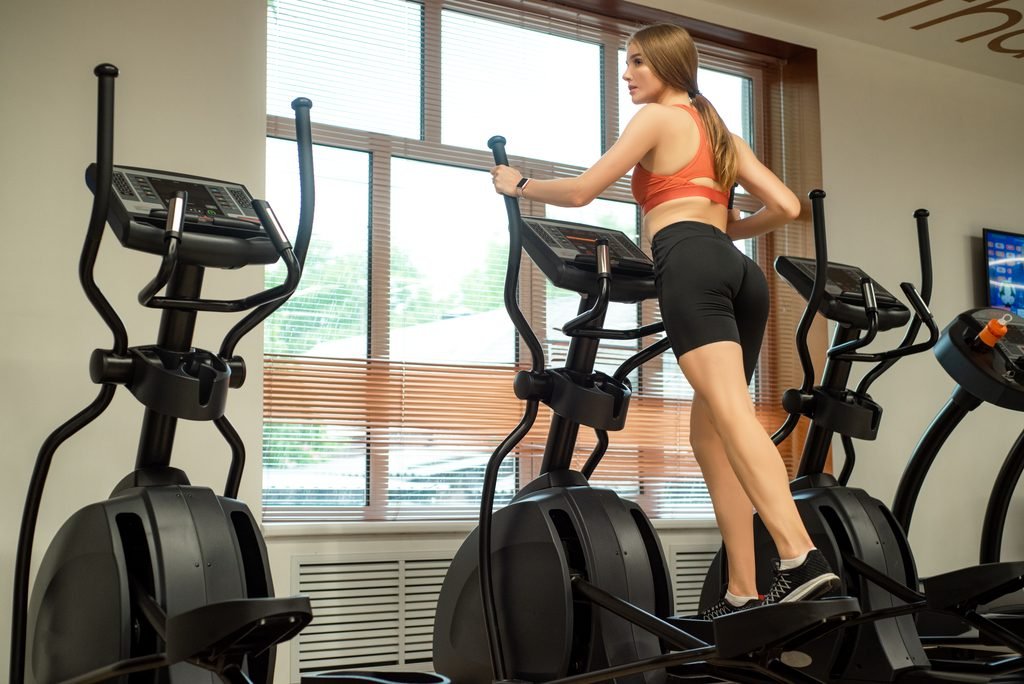
When I hop on an elliptical machine, I don’t just want to mindlessly pedal for half an hour. I want to understand the mechanics of each movement, adjust resistance levels effectively; integrate elliptical training into my overall strength routine.
The elliptical machine often gets a bad rap. Some folks use it as a lackluster warm-up. Others crank up the resistance, thinking they’re getting a serious strength workout.
Truth is, the elliptical shines as a cardio machine that also engages the legs and upper body. Here’s how I maximize my elliptical training using proper form, resistance and intensity. Progression too.

The Basics of Elliptical Machine Movement
An elliptical lets me glide effortlessly from one foot to the other; never lifting my feet from the pedals. This sets it apart from other cardio machines like treadmills.
A study comparing treadmill and elliptical exercises found that. Despite differing heart rates, oxygen consumption and calorie burn were similar when effort levels were comparable.
The takeaway? Effective workouts hinge on perceived exertion and workload, not the machine you’re using.
My quads, hamstrings, glutes; calves do the bulk of the work. Engaging the moving handles with my arms also recruits my pecs, deltoids. Upper back.
But remember, elliptical training complements not replaces dedicated resistance exercises. The CDC recommends both aerobic and muscle-strengthening activities.
Resistance and Strength Training
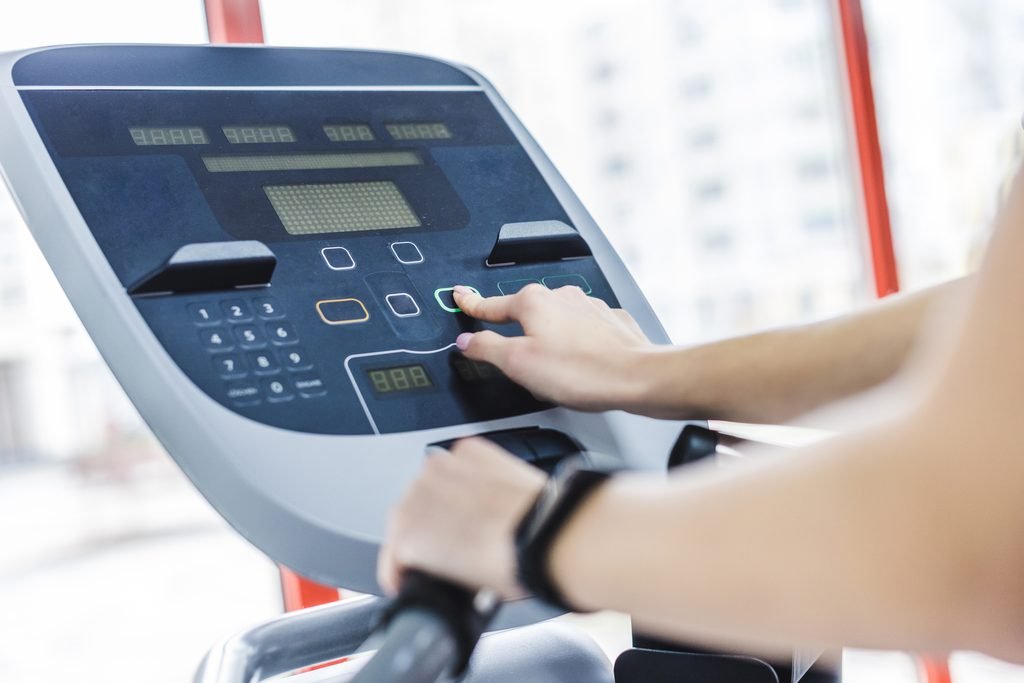
Increasing resistance makes each stride more hard. Requiring my muscles to make more force; while this builds muscular endurance.
It lacks the weight variety and movement patterns offered by free weights and machines.
I opt for isolated movements like lunges, squats, plus rows. Also presses to build muscle endurance; these exercises target specific muscle groups. Offer controlled motion.
Some ellipticals have an incline feature to copy hill climbing. It’s a fun way to mix things up and stress different muscles.
I usually stick to a moderate incline for good form. A solid challenge.
Finding the Right Elliptical Workout Intensity
I prefer to gauge effort over relying solely on the machine’s resistance level.
A straightforward 1-to-10 effort scale works well:
- RPE 2-3: Easy warm-up or recovery
- RPE 4-6: Moderate, sustainable effort
- RPE 7-8: Challenging intervals
- RPE 9: Very hard effort
I don’t aim for every session to be extremely difficult.
Heart rate provides another guide. The American Heart Association suggests moderate activity at roughly 50-70% of estimated maximum heart rate and vigorous activity at about 70-85%.
For beginners, I recommend spending most sessions at an easy-to-moderate intensity, building up gradually.
My 4-Week Elliptical Workout Plan
I tend to go by perceived exertion rather than the machine’s resistance.
Here’s one way to break it down:
- 1-3: easy warm-up or cool-down
- 4-6: moderate
- 7-8: hard intervals
- 9: very hard
I also go by how hard I feel I’m working when I’m doing these workouts. My heart rate is another good indicator.
The American Heart Association has some excellent guidelines on what counts as moderate and vigorous activity. Aim for 50-75 percent of your max heart rate for moderate activity and 75-85 percent for vigorous activity.
As a beginner, you should spend most of your time on the elliptical at an easy to moderate pace.
I’ve drawn up a 4-week plan to help you get started.
Week 1: Focus on Form
You should do three 20- to 25-minute workouts this week.
Each workout should consist of:
- Five minutes of easy walking
- Fifteen minutes of moderate effort
- Five minutes of easy walking to cool down
The goal is to develop good form and to get used to the motion of the machine.
Week 2: Longer Workouts
Increase the length of one or two of your daily workouts by five to ten minutes.
Try not to make the workouts much harder. You’ll include some intervals of resistance but keep them short.
Week 3: Throw in Some Intervals
After you’ve warmed up, try alternating one minute of hard effort with two minutes of easy resistance.
Repeat this pattern five or six times throughout the workout, still using good form.
Week 4: Mix Things Up
Do one long, moderate workout and one shorter interval workout.
That way, you vary your workouts from day to day without overdoing it.
Combining Elliptical Workouts With Strength Training
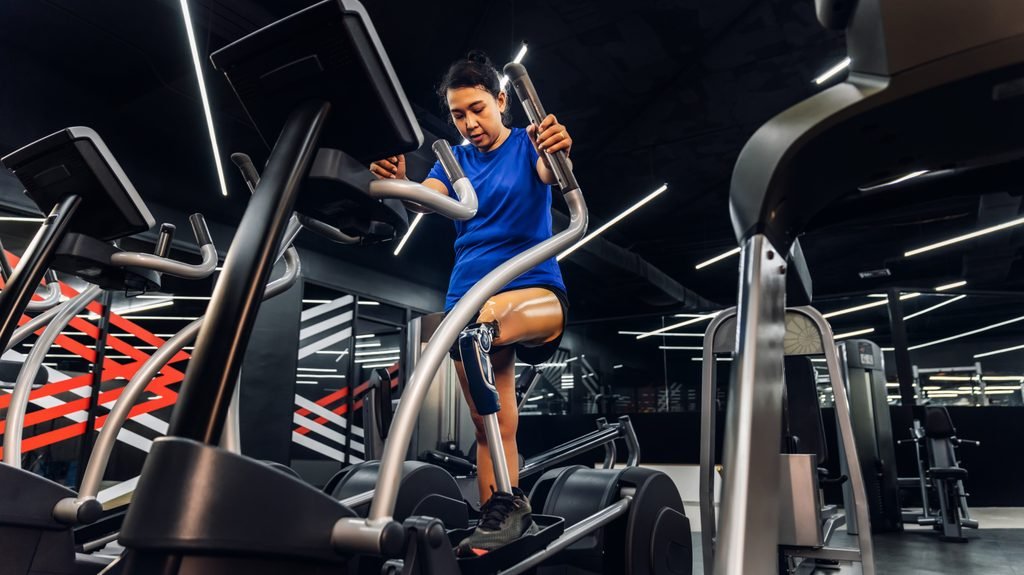
If you’re into strength training, I recommend scheduling your elliptical workouts around your lifts.
For instance, you might do full-body strength training on Mondays and Thursdays and take rest days on weekends.
You could do moderate elliptical workouts on Tuesdays and harder interval workouts on Fridays.
Avoid doing strenuous elliptical workouts the day before a lower-body strength-training session.
The recommendation from the Center for Disease Control and Prevention for aerobic activity for adults is that physical activity can be performed either on a single day or spread throughout the week.
What Not to Do During an Elliptical Workout
1. Don’t Lean Too Far Forward on the Handles
Keep your back straight throughout your workout.
Don’t use too much resistance since it can make it harder to keep good form.
2. Don’t Do the Same Workout Every Day
If you always do the same thing, it’ll be harder to see how far you’ve come.
Vary your workouts by doing longer workouts or ones with more resistance intervals or by simply working out more often throughout the week.
3. Don’t Always Go by the Calories Burned
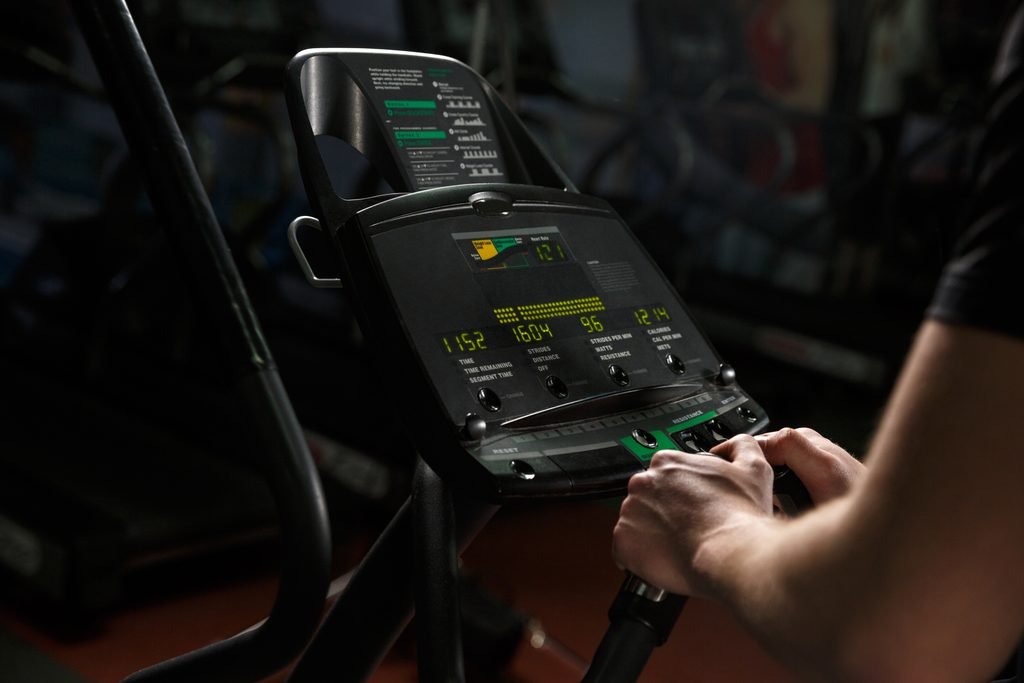
The number of calories you burn can vary greatly from one elliptical machine to another.
The number displayed on the screen should only be used as a reference.
Tracking My Progress on the Elliptical
I don’t just measure progress by calories burned; I seek several indicators.
I can work out longer without feeling more tired.
I can increase resistance while maintaining proper form.
A workout that previously felt like an 7 on the Rate of Perceived Exertion (RPE) scale now feels like a 5.
I bounce back faster between intervals.
My strength training sessions stay steady.
These markers tell me more about my fitness than a single calorie count on a screen.
My Final “Boring’’ Thoughts
An elliptical machine can be a helpful tool in a well-rounded workout plan.
When I master controlling its resistance, speed and incline. And workout intensity, it becomes useful; I mainly use it to boost my cardiovascular fitness and endurance.
I don’t rely on it as a full replacement for strength training.
The smart way is to blend focused elliptical sessions with progressive strength training, sensible recovery. Consistent habits.
I don’t need each workout to be tougher than the last.
I need a plan that gradually enhances my fitness while letting me recover and keep training.
