 By
By 
When I delved into researching weight loss challenges. A common issue stood out: most plans prioritize quick results but overlook the science behind sustainable fat loss.
Many programs promise:
- Quick weight loss
- Targeted belly fat burning
- Rapid body transformations in just 30 days
Nevertheless, true fat loss isn’t achieved through extreme diets, hopped meals. Excessive cardio.
Our bodies respond to consistent actions.
To lose fat, I need a calorie deficit.
To maintain muscle, I require adequate protein and strength training.
To sustain results, I must adopt habits that fit my lifestyle; that’s why I’ve crafted this 30-day fat loss challenge differently.
This isn’t a crash diet.
It’s a science-backed approach designed to help me shed body fat, preserve muscle.
Build habits that persist post-challenge.
My aim isn’t just to become lighter.
It’s to become healthier and stronger.
More confident too.
How Fat Loss Actually Works
Before embarking on any weight loss path. It’s key to grasp this fundamental concept:
Fat loss occurs when our bodies expend more energy than we consume, creating a calorie deficit.
For instance, if my body requires 2500 calories daily to maintain weight and I consume only 2,000, my body taps into stored energy to bridge the gap, leading to fat loss over time.
Yet, creating an overly large calorie deficit isn’t always beneficial.
Extreme dieting can lead to:
- Low energy
- Increased hunger
- Poor workout performance
- Muscle loss
- A higher likelihood of quitting
Weight Loss vs Fat Loss: The Key Difference
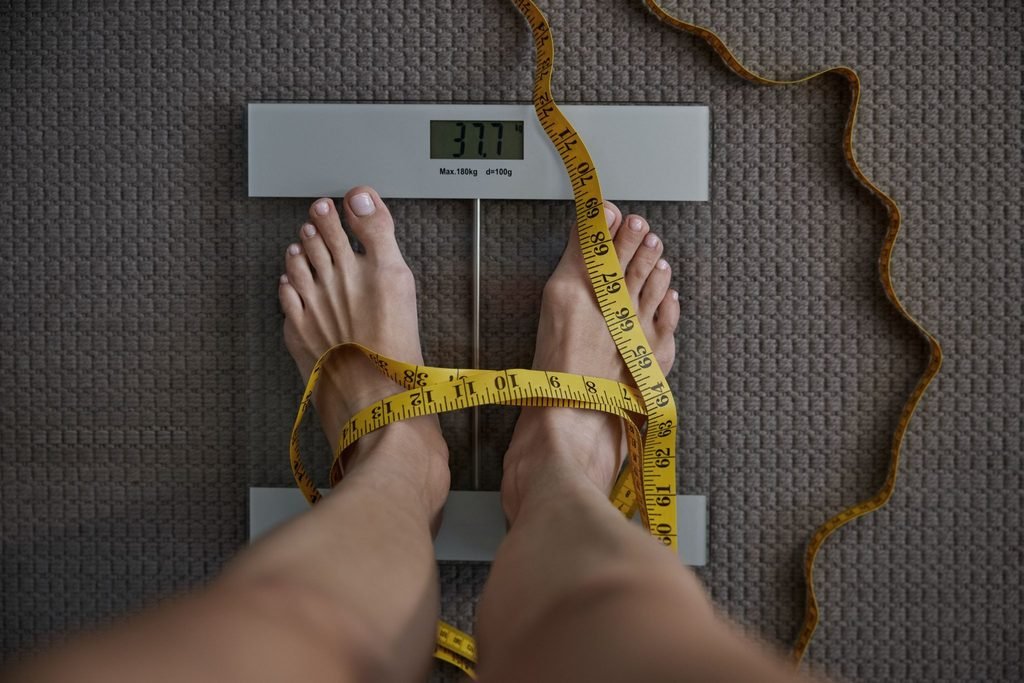
A common pitfall in weight loss journeys is fixating solely on the scale.
The scale measures total body weight but reveals nothing about the type of weight lost.
Our body weight comprises:
- Fat
- Muscle
- Water
- Glycogen
- Undigested food
Two individuals losing the same weight may appear and feel hugely different if one loses muscle while the other maintains strength.
Thus, my focus for this challenge is:
- Losing body fat
- Maintaining muscle
- Boosting strength
- Adopting healthier habits
My objective isn’t merely seeing a lower number on the scale;
It’s enhancing my body composition and growing a healthier body.
My 30-Day Fat Loss Challenge Plan
Week 1: Build My Foundation
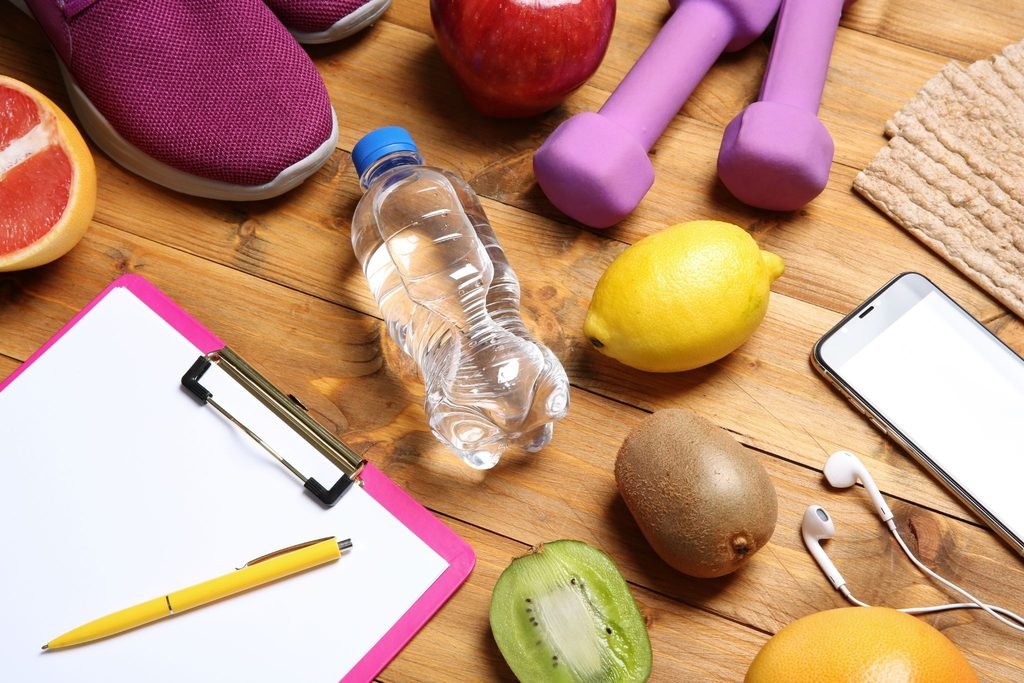
I don’t attempt an overnight lifestyle overhaul.
Instead, I focus on simple, foundational actions:
- Track my meals
- Boost protein intake
- Hydrate adequately
- Walk daily
- Aim for 7-9 hours of sleep
- Complete workouts
Week one’s goal is awareness and understanding current habits before making bigger changes.
I track:
- Usual foods consumed
- Protein intake
- Daily activity
- Sleep’s impact on energy
Consistent small improvements yield better results than fleeting extreme changes.
Week 2: Enhance Nutrition
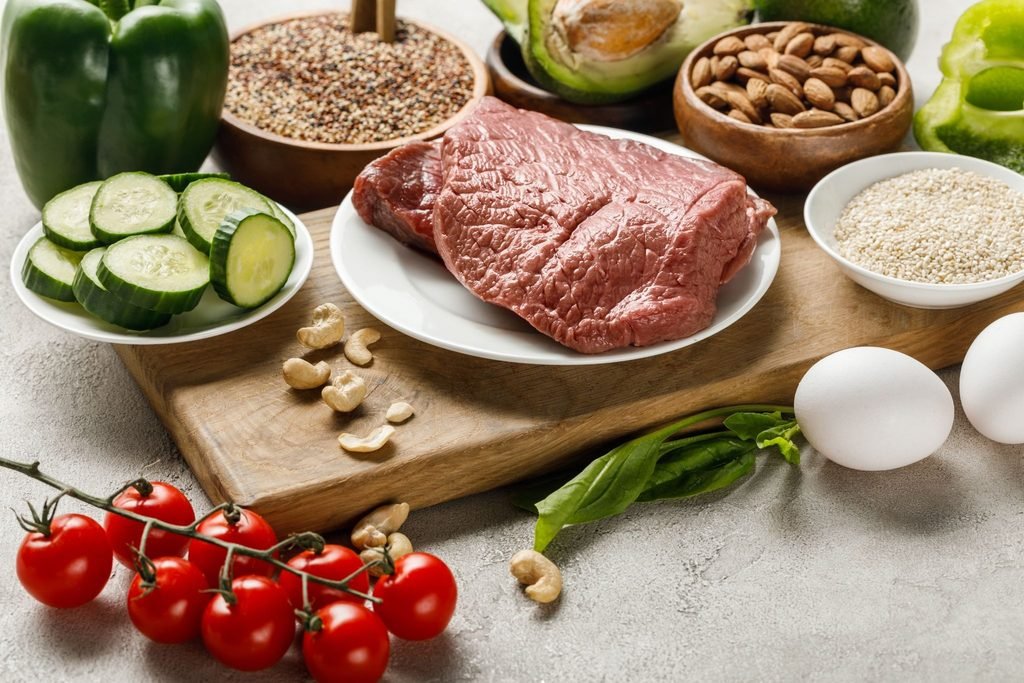
In week two, I focus on improving meal quality.
I don’t buy into complex diets for successful fat loss; instead, I create balanced meals that maintain a calorie deficit while nourishing my body.
Key areas:
Protein
Key for hunger control, muscle maintenance, and workout recovery.
Sources:
- Eggs
- Chicken
- Fish
- Greek yogurt
- Lean meat
- Beans
- Lentils
Vegetables and Fruits
Rich in fiber, vitamins and minerals.
Also aiding digestion.
Healthy Carbohydrates
I don’t eliminate carbs.
Just control portions and choose better sources like:
- Rice
- Oats
- Potatoes
- Whole grains
- Fruits
Week 3: Prioritize Fat Loss, Not Just Weight Loss
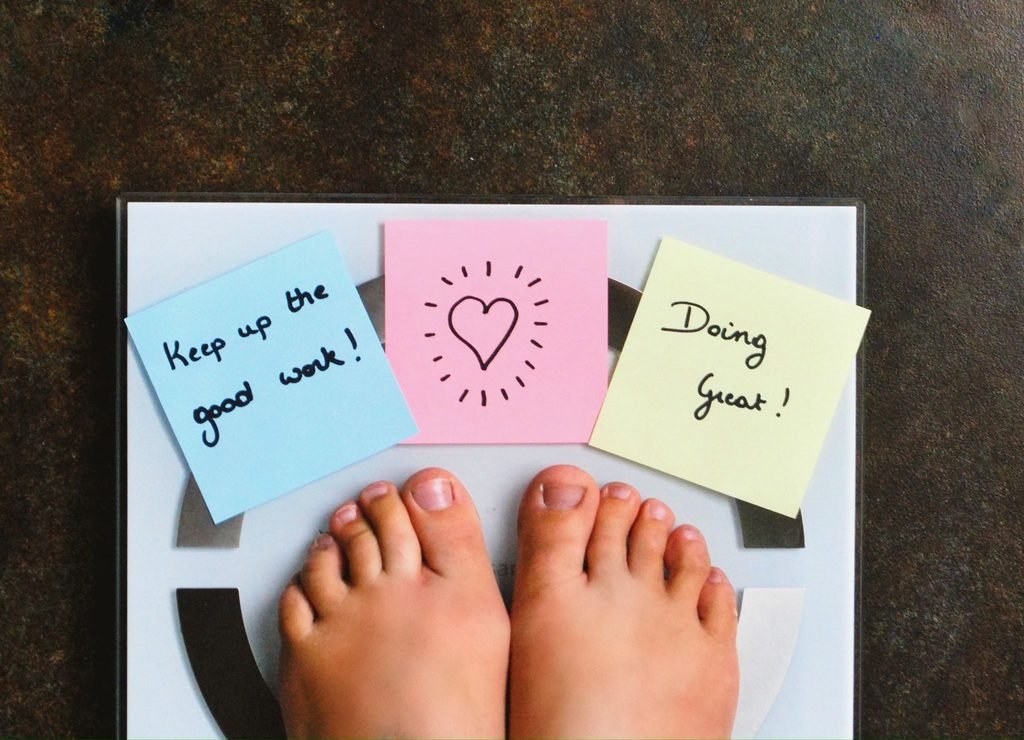
By week three, some may feel frustrated as progress slows.
This is normal.
Body weight can fluctuate due to:
- Water retention
- Salt intake
- Carbohydrate storage
- Digestion
- Recovery
I don’t rely solely on daily weight changes for progress.
Instead, I track:
- Weekly average body weight
- Waist measurements
- Progress photos
- Workout performance
- Energy levels
Fat loss isn’t always immediate on the scale.
The goal is body composition improvement, not just weight loss.
Week 4: Change Challenge into Lifestyle
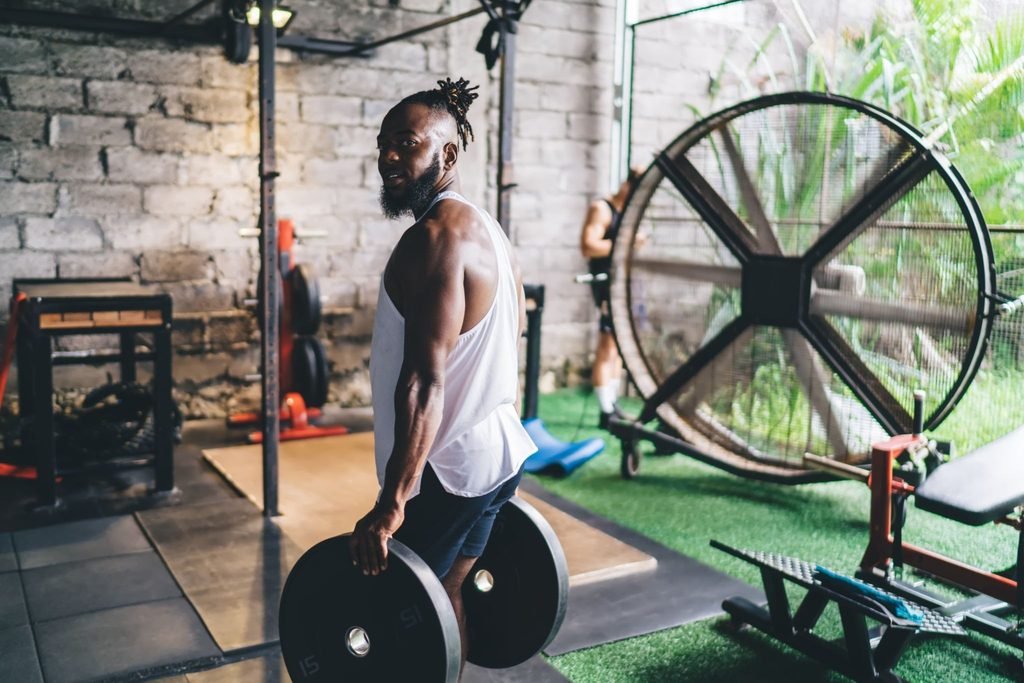
The final week isn’t about completing a challenge, but creating lasting habits.
Many treat challenges as temporary.
My goal is to sustain these changes beyond the 30 days.
They stick to a rigid plan for a month; then slip back into old patterns.
This is why many folks regain lost weight.
A successful challenge should lay a foundation for long-term results.
By now, my focus is:
- Keeping up my nutrition habits
- Keeping up strength training
- Staying active
- Eating balanced meals
- Improving consistency
The real transformation happens when healthy habits become second nature.
The aim isn’t to finish 30 days; it’s to create a lasting healthier routine.
My Fat Loss Workout Strategy That Keeps Muscle
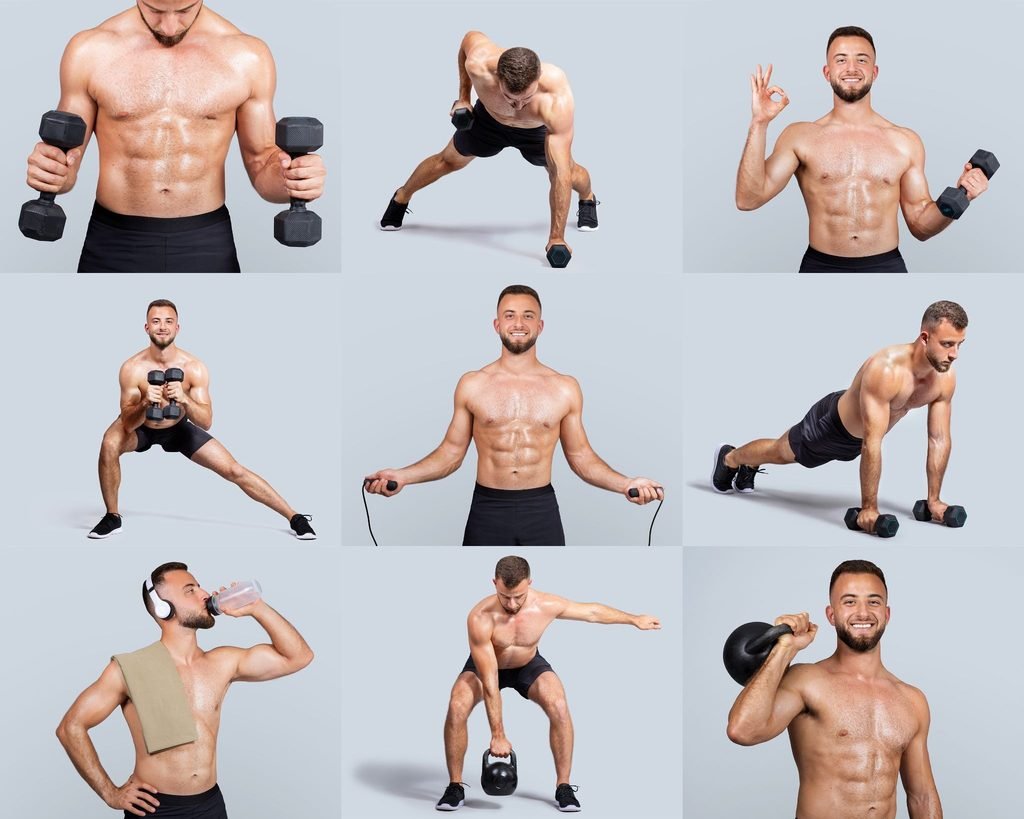
Many trying to lose weight focus solely on cardio.
While cardio helps burn calories.
Strength training plays an essential role in keeping muscle during fat loss.
I don’t want to lose muscle along with fat.
So resistance training is key.
My weekly workout goal:
✓ 3-4 strength training sessions per week
My workouts focus on:
- Squat movements
- Push exercises
- Pull exercises
- Core training
- Gradual improvement
I don’t need complex workouts.
I need consistent training that challenges my body.
Progressive Overload: Keeping My Muscle Strong
Progressive overload means gradually making workouts more hard over time.
This can involve:
- Adding more weight
- Increasing reps
- Improving technique
- Increasing training volume
During fat loss, my goal isn’t always new records.
It’s maintaining strength and giving my body a reason to keep muscle.
Consistency trumps perfection.
Mistakes That Can Stall Fat Loss
1. Eating Too Little
A very low-calorie diet might give quick results, but it’s hard to maintain.
Eating too little can lead to:
- Low energy
- Increased cravings
- Poor workouts
- Higher chances of quitting
A sustainable calorie deficit works better because I can stick to it.
2. Neglecting Protein
Protein is key during fat loss.
Without enough, keeping muscle is tough.
My focus isn’t just eating fewer calories.
It’s giving my body the nutrients it needs.
3. Obsessing Over the Scale
The scale isn’t the only measure.
My progress should also include:
- Waist measurements
- Progress photos
- Strength gains
- Energy levels
A healthier body is about more than just a number.
4. Having No Plan After 30 Days
Completing this challenge isn’t the end.
It’s the start of a healthier lifestyle.
The goal is to keep the habits that created results.
How I Track My Progress During the Challenge
I track progress weekly, not daily.
Daily weight changes are normal.
So I focus on long-term trends.
For a more accurate progress picture, my tracking system includes:
Body Weight
I focus on weekly averages, not daily changes.
Measurements
I measure my:
- Waist
- Chest
- Hips
Track these to monitor fat loss, even when scale changes are slow.
Progress Photos
I snap progress pics under consistent conditions.
The same lighting and position helps me compare my transformation accurately.
Workout Performance
I log:
- Strength gains
- Workout consistency
- Exercise quality
Maintaining strength signals I’m preserving muscle.
Post-30 Day Plan
Completing this challenge starts my healthier lifestyle.
Post-30 days, I keep up with:
- Eating adequate protein
- Regular training
- Staying active
- Balanced nutrition
If I want further fat loss, I maintain a controlled calorie deficit.
If I hit my goal, I slowly adjust calories.
Keeping my habits.
The best plan works long-term, not just 30 days.
Frequently Asked Questions
Can I target belly fat in 30 days?
I can’t choose a fat loss location.
It’s genetic.
But reducing overall fat reduces belly fat over time.
Do I need a gym for this challenge?
No.
I can use:
- Bodyweight exercises
- Resistance bands
- Dumbbells
- Home workouts
Consistency is key.
Should I remove carbohydrates to lose weight?
No.
Carbs can aid fat loss.
Focus on:
- Total calories
- Protein intake
- Food quality
- Consistency
How Much Weight Can I Lose in 30 Days?
Results depend on my starting weight, activity, nutrition, and consistency.
Aim for healthy, sustainable fat loss.
My Final ‘‘Boring’’Tips
A successful 30-day challenge is not about extreme restrictions.
It is about understanding my body and following proven principles.
Combine:
- Realistic calorie deficit
- Adequate protein
- Strength training
- Daily movement
- Quality sleep
- Consistent habits
To build a healthier body.
Protect muscles.
Maintain it long-term.
