 By
By 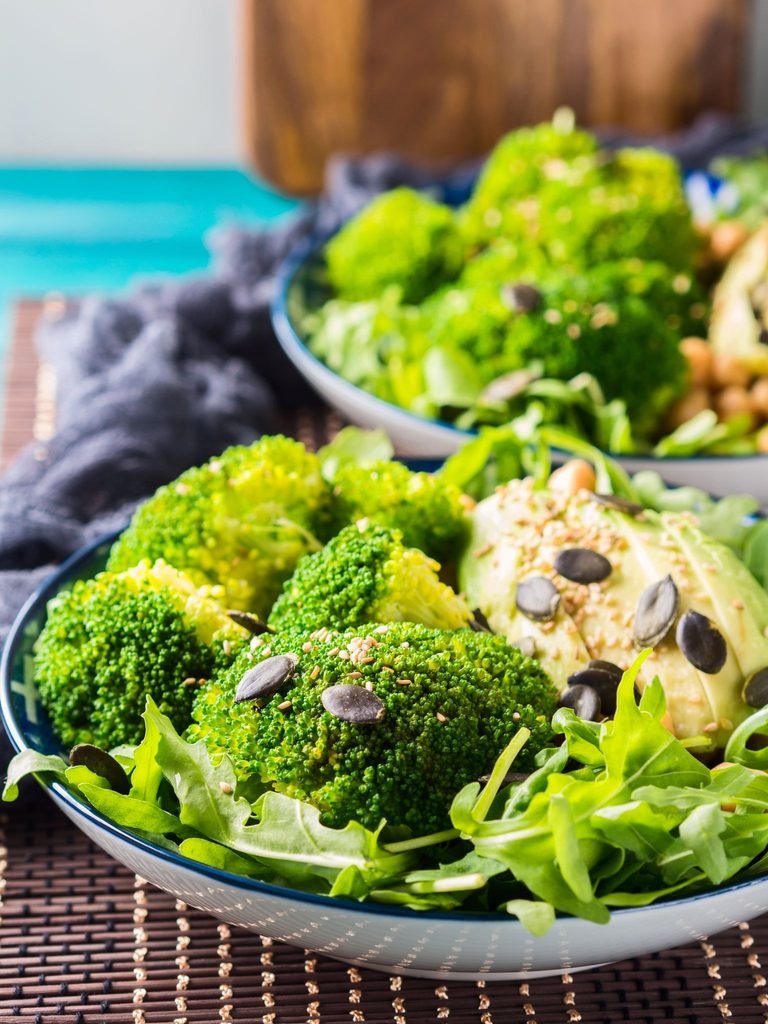
When I first started researching keto diets for vegans, I found that most guides make it sound easier than it actually is. They list avocados, nuts, tofu, and coconut products and figure the nutrition side will work itself out.
The real problem is something else.
Traditional vegan diets are typically based on beans, lentils, whole grains, fruit and other carbohydrate-containing foods. A ketogenic approach reduces many of those foods. That can make it more difficult to get enough protein, fiber, vitamins and minerals without careful planning.
So my goal is not just to restrict carbohydrates. I want to learn how to build a practical, nutritionally balanced, low-carb plant-based diet that is realistic to maintain.
This guide explains ketosis, protein planning, important nutrients, food choices, a simple 7-day meal framework, and the mistakes that can make this eating pattern unnecessarily restrictive
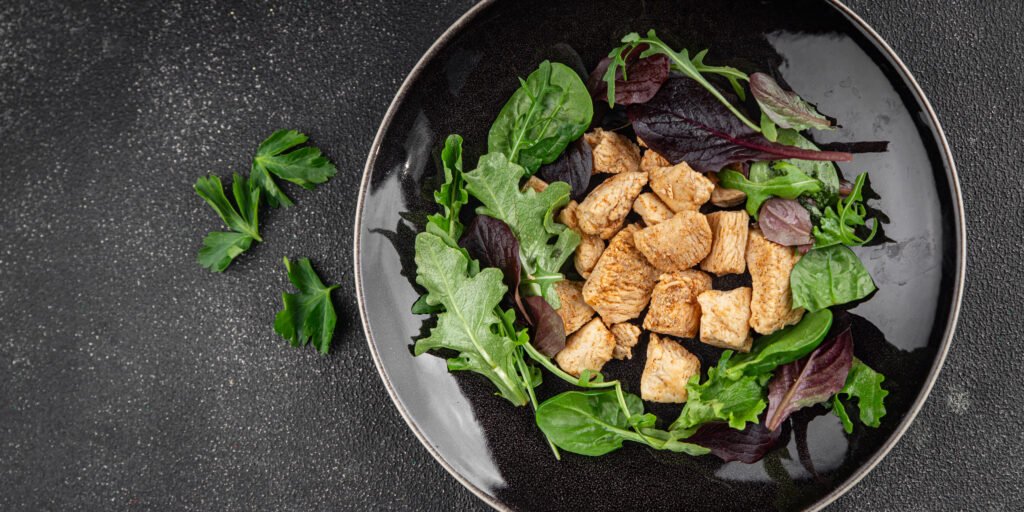
The Mechanism of a Plant-Based Ketogenic Diet
In the ketogenic diet, you eat very few carbs and get most of your fuel from fat with enough protein.
Ketogenic diets are very low in carbohydrate (20 to 50 grams per day), but the amount of carbohydrate needed to induce ketosis varies from person to person.
Glucose is an important source of energy in a normal body. When carbohydrate availability gets very low, the liver makes ketone bodies from fatty acids. These ketones can then be used as energy for several different tissues.
That metabolic state is called ketosis.
But just because I’m in ketosis doesn’t mean I’m automatically losing body fat.
Fat loss is very much still about overall energy balance, and how well I can stick to the eating pattern. A recent systematic review found that when energy prescriptions were similar, there was only a small short-term weight difference in favor of ketogenic diets, and the authors rated the evidence as low certainty.
That is why I would not take the shortcut of ketosis.
Vegan vs Ketogenic Diet: What’s the Real Difference
A ketogenic diet and a standard plant-based diet can look very different.
Old school vegan eating could include lots of:
· Lentils and beans (I)
· Whole Grains and Oats
· Potatoes.
· Fruits
· Vegetables lower in carbohydrates
These foods can be easily included in a balanced vegan diet, but it may be difficult to eat enough of them to achieve strict carbohydrate restriction.
A ketogenic version has more of:
· Tofu and tempeh.
· Seitan
· Nuts and Seeds
· Avocado
· Olive Oil and Olives
· Plant foods without sugar
· Non-starchy vegetables
· Protein powders low in carbs
So the important question is not “How do I take carbohydrates out?”
I think the question better asked is:
After I cut these foods out, how do I replace the protein, fiber, vitamins and minerals they were giving me?
That’s where planning is sensible.
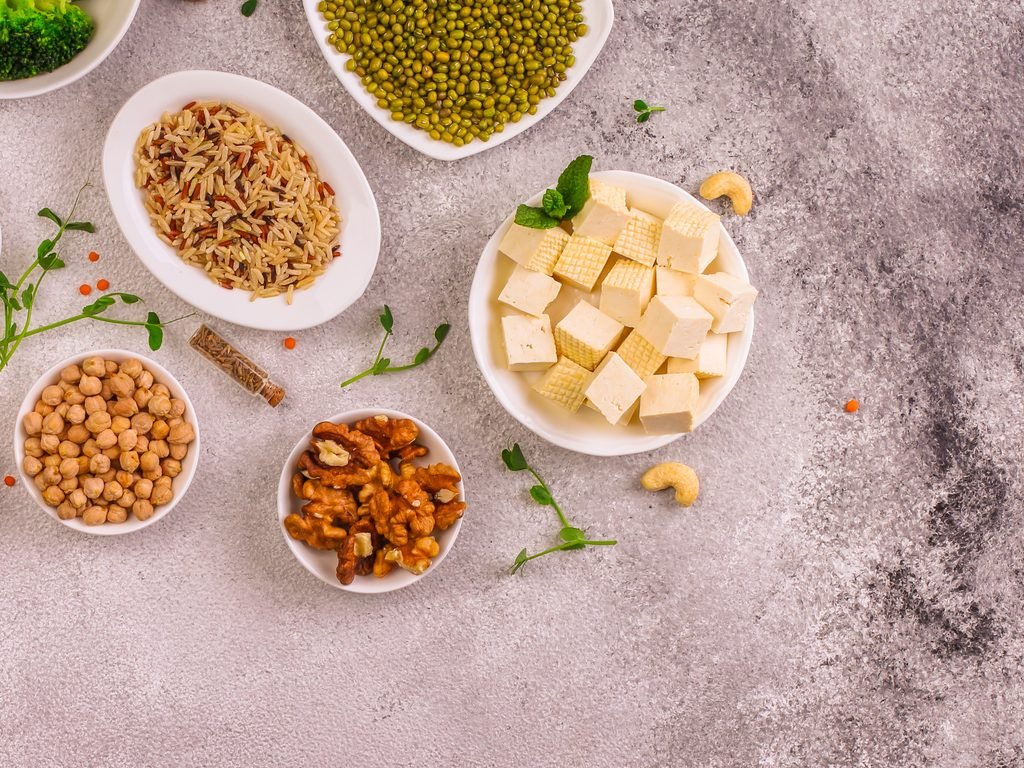
Protein is the part I would plan first
One thing I don’t like about many of the low carb vegan plans is that fat gets all the love and protein is an afterthought.
That can be particularly problematic for someone who trains strength.
Research on resistance training suggests that the benefits of increasing protein tend to plateau at around 1.6 grams per kilogram of body weight per day in healthy adults doing resistance exercise. But individual needs still vary and not all need that much.
Plant proteins can help support training and recovery, but protein quality, amino-acid composition, total intake and food combinations are important. Recent reviews suggest that well-formulated blends of plant proteins can be useful when consumed in adequate amounts.
My Practical Protein Choices
I would base my meals around foods such as:
· Extra firm tofu
· Tempeh
· Seitan (if you don’t mind gluten)
· Soy products, unsweetened
· Seeds of hemp
· Pumpkin Seed
· Blend of plant protein or pea
· Small amounts of lower-carb legumes when they fit the carb target
I like to choose my protein source first, instead of building a meal around oil and vegetables and hoping that enough protein shows up.
Then I put fat and vegetables all around it.
Nutrients to keep an eye on
Reducing both animal foods and many carbohydrate-rich plant foods greatly decreases the diversity of foods in the diet.
Research on vegan diets identifies specific nutrients of concern, including vitamin B12, iron, calcium, vitamin D, iodine, zinc and omega-3 fatty acids.
Vitamin B 12
I wouldn’t depend on vegetables, nuts or seeds for reliable B12. Vegan eating patterns commonly need fortified foods or an appropriate supplement.
Iron and Zinc
Seeds, tofu, tempeh and some plant foods can give iron and zinc. Food preparation and overall dietary variety are important as well.
Calcium and Vitamin D
Fortified, unsweetened plant milks can be helpful because they may contain calcium, but not large amounts of sugar. Vitamin D intake may also need extra attention, depending on diet and individual circumstances.
Iodine
A poorly planned plant-based menu can easily lose iodine. I would check to see if my salt is iodized or not, rather than assuming that specialty salts are sufficient.
Omega-3 Fatty Acids
Chia, flax, hemp and walnuts contain alpha-linolenic acid. If you’re avoiding all animal products, you might want to discuss EPA / DHA from algae with a qualified professional.
I care more about checking the nutrients than having every meal have a perfect macro percentage.
The 7 Day Meal Framework
I’d much rather have a flexible framework than an unrealistic menu requiring dozens of specialty ingredients.
Day 1
Breakfast: Tofu & spinach scramble with avocado
Lunch: Tempeh salad with leafy greens, cucumber, seeds and olive oil.
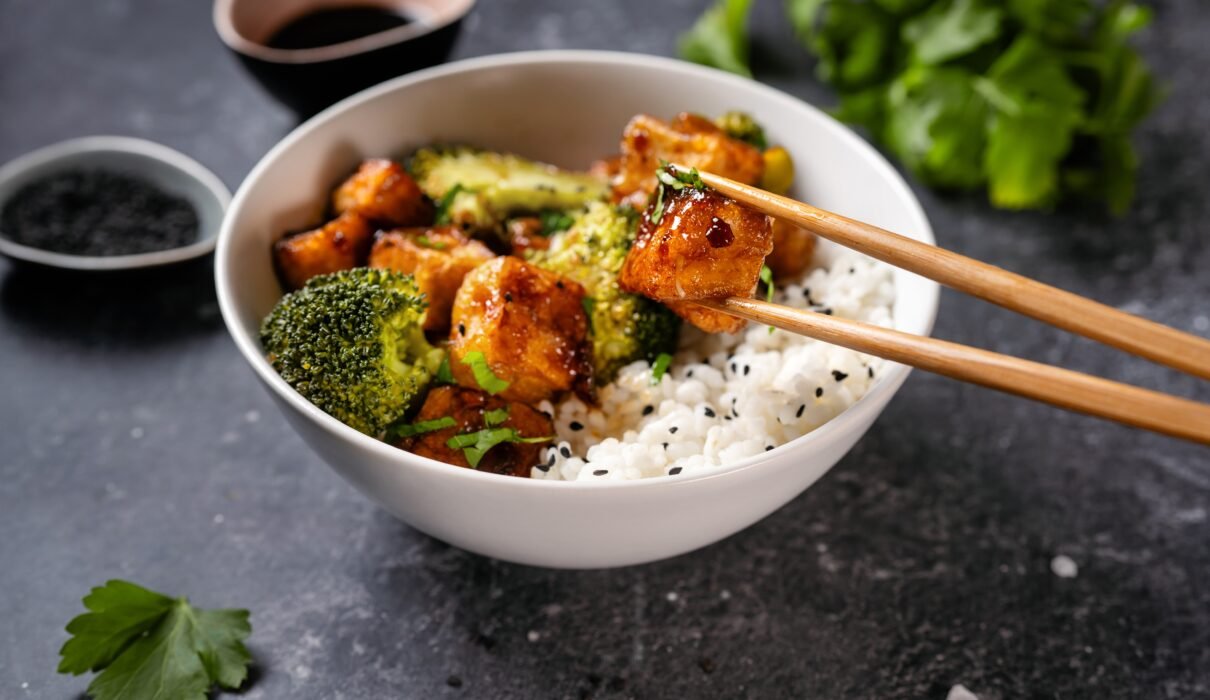
Dinner: Tofu stir-fry with zucchini and broccoli
Day 2
Breakfast: Chia and hemp seeds with unsweetened soy yogurt and a few berries
Lunch: Seitan lettuce wraps and avocado
Dinner: Mixed veggies and tempeh with cauliflower rice
Day 3.
Breakfast: Shake with plant protein, unsweetened soy milk and chia seeds
Lunch: Tofu salad bowl with pumpkin seeds and olives
Dinner: Zucchini noodles with tofu sauce
Day 4:
Breakfast: Mushroom tofu scramble
Lunch: Cabbage and tempeh bowl
Dinner: Seitan with roasted veggies (non starchy)
Day 5
Breakfast: Chia pudding with protein powder + unsweetened plant milk
Lunch: Lettuce wraps with avocado tofu
Tempeh and greens with cauliflower for dinner
Day 6
Breakfast: Unsweetened plant milk protein smoothie with spinach
Lunch: Salad with seitan, olives, seeds and vegetables
Dinner: Tofu curry with cauliflower rice
Day 7
Breakfast: Avocado and Tofu Breakfast Bowl
Lunch: Tempeh salad with hempseeds
Dinner: grilled tofu, zucchini, broccoli, tahini sauce
Portion size is important. I would adjust them based on calorie needs, protein needs, hunger, training and carb tolerance, rather than copying someone else’s portions exactly.
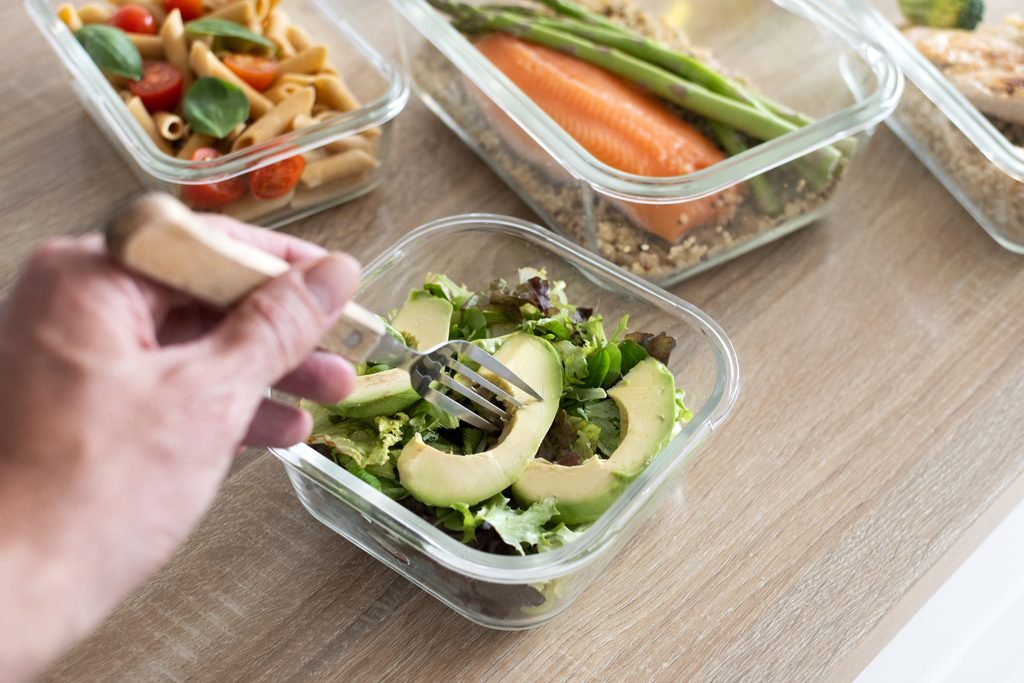
My Four-Week Shift Plan
Week 1: Get to know my current diet
I wouldn’t eliminate all sources of carbohydrates all at once.
First I track what I usually eat and I discover:
✓ My primary protein sources
✓ Sweetened foods and beverages
✓ Processed carbohydrates
✓ Carbohydrate-rich foods
✓ Foods that provide key micronutrients
This helps me know what I need to replace, not just delete foods.
Week 2: Center Meals Around Protein
Now I select a protein anchor for each large meal.
I also start to swap out the higher carbs side dishes for things like leafy vegetables, broccoli, cauliflower, zucchini, mushrooms and salads.
Week 3: Make Small Changes to Carbs
I watch my carb intake more closely and adjust portions to fit my goal.
I don’t think less carbs is always better. Highly restrictive diets can be hard to stick to and reduce the variety of foods you eat.
Week 4: Make the Decision on Whether It’s Really My Lifestyle
After several weeks I judge:
· Famine
· Energy
· Training Results
· Digestion.
· Pleasure in food
· Dietary diversity
· Ability to follow the game plan
If keeping carbs this low makes the diet miserable or nutritionally narrow, I would consider a less restrictive low-carb vegan pattern.
Getting a dietary label isn’t as important as being sustainable.
Pro Tips to Make the Diet Work
Nutritional Approach
There are certain ways I make meals:
Protein, veggies, healthy fat, optional low carb extras.
This simple sequence keeps your meals from becoming a pile of oil, nuts and avocado.
Training Strategy
If I do strength training I watch performance, not depend on ketosis to improve it.
Resistance training is still a good stimulus to maintain and build muscle, and adequate protein will aid adaptation.
Living Style Strategy
I have convenient foods on hand.
Tofu, frozen veggies, seeds, unsweetened soy milk, protein powder and prewashed greens make consistency easier than complicated recipes each day.
Restoration Strategy
I track sleep, hydration, appetite, digestion and workout recovery.
I also remember that a drastic change in diet can temporarily change body weight because of glycogen and water changes. I don’t interpret every early scale change as body fat loss.
Mistakes That Could Hinder Progress
1. Eating a lot of fat
Adding coconut oil, nuts and avocado won’t magically make a healthy diet.
Better plan: get your protein and veggies in place before adding a lot of fat.
2. Protein Disbelief
Meals can be surprisingly low in protein if you don’t replace the protein from beans and grains.
A better idea is to eat a different plant-protein source each meal.
3. Micronutrient depletion
Restricting carbs can restrict the variety of plant foods I eat.
Good way: plan B12, calcium, iron, iodine, zinc, vitamin D, and omega-3 sources intentionally.
4. Ketosis as a reliable method of fat loss
Ketosis is a metabolic state , not a guaranty of calorie deficit .
Better: food portions, hunger and long-term progress monitoring.
5. Putting me on a diet I don’t belong in
A dietary approach is only useful if I can stick to it and still meet my nutritional needs.
Better approach: When strict carb limits cause avoidable problems, switch to a less restrictive plant-based diet.

How I Measure Progress
I wouldn’t be judging the diet by ketone readings alone.
Depending on my goal, I track:
· Weekly mean body weight
· Waist sizes
· Photos of Progress
· Performance in the gym
· Hunger and energy
· Digestive system
· Protein consumption
· Consistent diet
If I’m looking to lose fat, then I want to see trends over a period of weeks rather than just a one off body weight.
If strength and muscle retention is important, I also look at if my training performance is being maintained.
My Final ‘‘Boring’’ Thoughts
You are able to establish a low-carb plant-based eating pattern, but it’s more planning than just slapping two trendy diet labels together.
My priorities would be simple. Get enough protein. Maintain variety in food. Cover important micronutrients. Mostly choose minimally processed foods. Verify that the diet actually supports my goals.
I would also remember that you do not need nutritional ketosis for successful fat loss.
Long term research on which diet is better is still little and it still comes down to being able to follow the diet.
The most restrictive option is not always the most sustainable.
It’s the one that allows me to meet my nutritional needs, train well, feel good and stay consistent.
