


 By
By 
Walking sounds too simple as a weight-loss tool. As I researched walking for weight loss, however, I learned that the issue isn’t that walking “doesn’t work”. The matter is that people use it wrongly
Advice like “you need to walk 10,000 steps”, “walk 2 miles” or “burn 500 calories” is misleading in that we get the idea that weight loss is a predictable calculation based simply on distance, and for some individuals, it is not.
We might walk more but have greater energy expenditure in our job or diet that makes it harder to lose weight on the scale, and other things.
A 2024 systematic review and meta-analysis of 116 randomized trials with 6,880 overweight or, obese adults found that aerobic physical activity was associated with clinically significant decreases in body weight, waist circumference and percentages of body fat.
However, greater decrements appeared alongside with higher volume of weekly physical activity, with up to 300 mins being the cut-off point.
My aim with this guide is not to tell you the magic number, but to advise how to find your realistic starting point, increase your steps gradually, preserve lean muscles while shedding the fats, and even recover from failed attempts of getting your walks in.

Why Walking Can Help With Weight Loss
Walking takes calories to do. If I am increasing my walking volume, and not off-setting this by extra food intake and decreased physical activity, then total energy expenditure will increase
This has the potential to create a deficit if I continue over time.
I am grateful for research studies looking specifically at brisk walking that have shown decreases in weight, waist circumference, body fat mass, and body-fat percentages in overweight or, obese adults with aerobic exercise.
Nevertheless, I would be lying if I said that the calories-burnt during walking is guaranteed conversion into fat loss.
If my smartwatch says that I have just burnt 300 calories walking, that does not mean that I have a 300-calorie deficit straight away as many factors influence those numbers, and I also need to consider how the rest of my day goes.
So, I believe that walking is part of a greater nutritional and lifestyle system to losing weight, and not something I use to “balance” things out.
Walking for Health and Walking for Weight Loss Aren’t Exactly the Same
Although it’s intuitive, this distinction gets overlooked frequently because a daily step count connected to certain health benefits is not a precise number for losing body fat.
I may increase my daily steps for better health, but it doesn’t mean that I will lose weight since I need a net calorie deficit for that to happen.
Although walking would not necessarily cause large-scale weight reductions, it has significant health advantages beyond the scale, such as enhanced heart health and lower risks of certain diseases.
So, if I begin to walk more and notice that my clothes fit better and that my waist measurement has improved, this is a good sign, even if the scale hasn’t changed dramatically.
The 2024 meta-analysis I discussed earlier suggests that at least 150 minutes of aerobic physical activity (moderate- to vigorous-intensity) per week was related to clinically significant reductions in waist circumference and body-fat in overweight or obese adults.
The more the minutes, the more the benefits, with up to 300 mins being the cut-off.
However, that does not mean I need to jump right into walking for an hour and a half every day.
It means this is the place to work toward, but it’s not my starting point.
Start With Your Baseline, Not 10,000 Steps
Maybe the most significant change I could make to conventional advice about walking for weight loss is to start walking from my baseline.
Let’s use an example of two different people;
- Person A: 3,000 steps/day average
- Person B: 9,000 steps/day average
They both receive the advice of getting 10,000 steps, but it’s going to affect them in drastically different ways
I wouldn’t prescribe them an absolute number like 10,000. Instead, I would spend about a week just tracking my current step count, rather than trying to beat that magical number of 10,000 every day and then I would calculate roughly what I was averaging out at, e.g.,
- Old average: 4,000 steps/day
- New average: 6,000 steps/day
- True increase: 2,000 steps/day
I think looking at the amount of increased steps I am taking post-baseline is more important than the total steps because this will be my true value in terms of extra energy expenditure that I might not have been aware of myself
This also helps me to slowly build the habit of stepping more.
Steps, Minutes, or Miles: What’s Your Preferred Metric?
None is wrong, so I prefer the one that is easiest to pursue and count consistently.
For a beginner, I think minutes are more accessible and realistic.
A 20-minute walk is less demanding than a certain number of steps per day.
In my opinion, steps are helpful if you want to increase your overall physical activity level with moderate additional exercises.
Miles, in my opinion, make sense if you have a permanent path for walks or a treadmill.
Calories seem to be a less reliable metric for me since different devices and applications have different algorithms to calculate it.
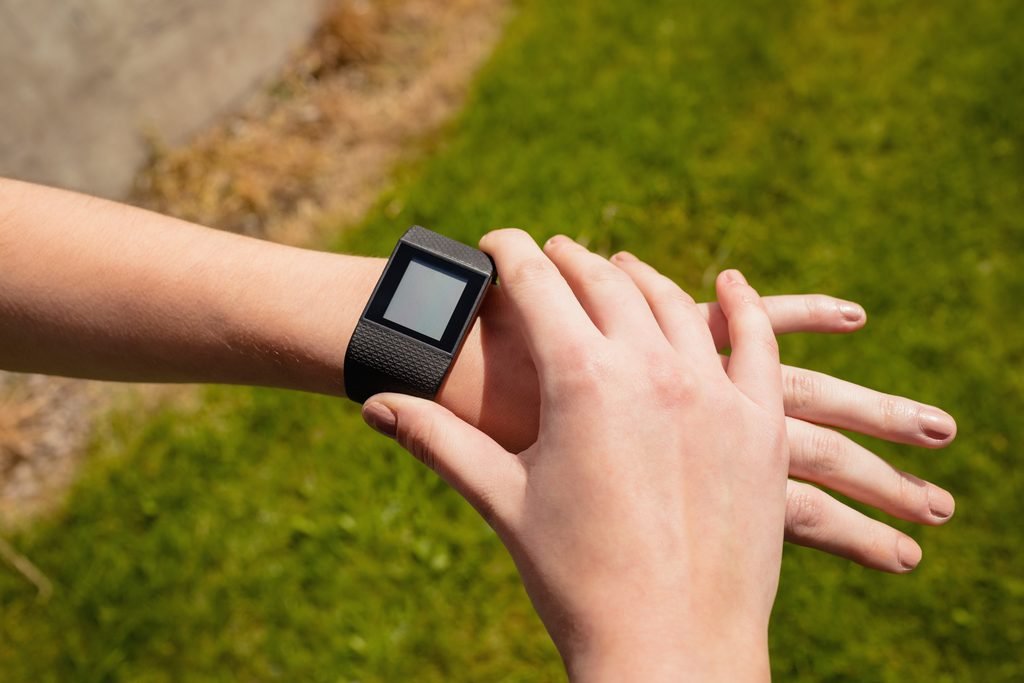
I will not use a calorie counter on my smartwatch or the calories burned on the treadmill that I will use during walks as a basis for my additional caloric intake.
A Realistic 4-Week Walking Progression Plan
I will not challenge myself too much at the beginning.
I have a month to figure out how to incorporate walking into my daily routine without overstraining myself.
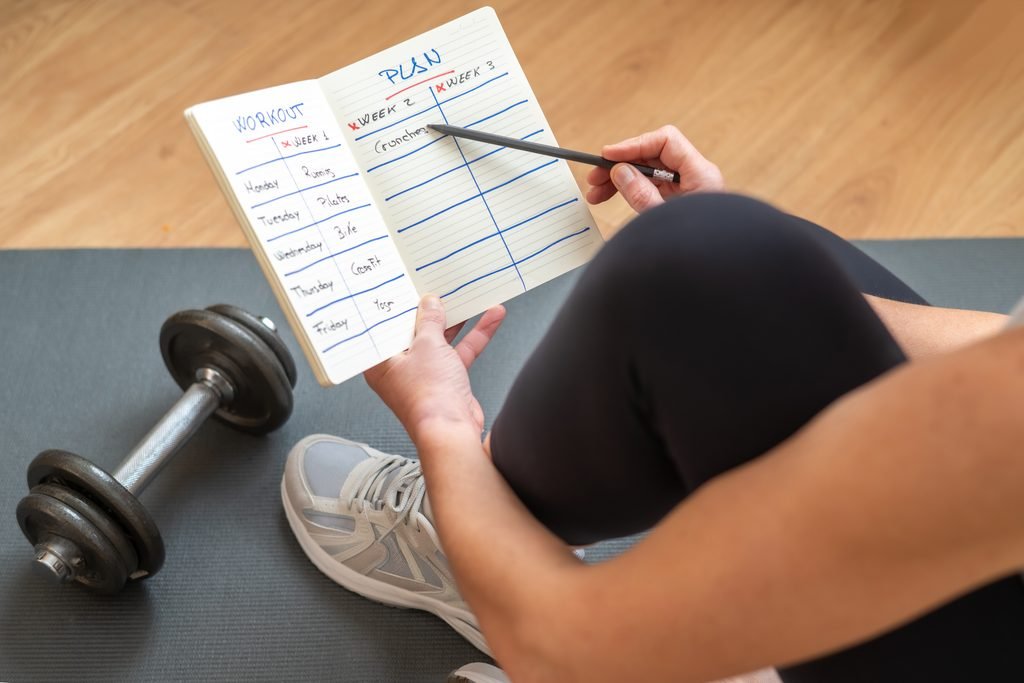
Week 1: Determine the Baseline
I will try to adhere to the most comfortable routine for me during the first week.
I will try to count my steps and add at least one or two 15–20-minute walks to my daily routine.
I will try to choose the most comfortable places and routes for my walks.
I will try to avoid overexertion and simply observe how many planned walks I will miss due to fatigue.
Week 2: Increase the Time Per Walk
In the second week, I will try to extend some walks to 25–30 minutes.
I will also try to add as much movement as I can during the day in my daily routine, for example, by taking walks while making phone calls or changing the place of parking.
Week 3: Add Some Intensity
In the third week, I will try to include more exercises in my walks that is, to change the pace to a more intense one.
Of course, I will not try to walk fast enough to feel uncomfortable. This is when a walk turns into a jog or even a run.
However, I can include some intervals in my walking to make my walks more challenging.
Week 4: Update Your Plan
In a month, I will update my plan based on my observations during the first three weeks of training.
If I felt fatigued, I would only update one area of my walking plan at a time:
- the duration of walks
- the distance
- the intensity
- the incline of the treadmill
- the number of days of walking per week
A balanced plan should not update several performance areas at once.

Why Walking More Doesn’t Always Mean You Will Lose More Weight
This is where simple math with calories can lead you astray.
Imagine that my fitness tracker indicates that a walk burned 300 calories. I may think that, based upon the walk, I have created an additional 300-calorie deficit.
My actual physiological response or behavior may negate some of this effect in ways that a simple calculator doesn’t consider.
For instance, some people have reduced non-exercise activity or related energy expenditure when they make changes to their exercise routines.
There are mixed results in the literature.
A systematic review of diet and exercise interventions found that there were reductions in non-exercise activity or related energy expenditure in some intervention groups, while other reviews have found little average change and recent research also suggests that compensatory decreases may occur in some people.
The practical implication is not that walking somehow “decreases your metabolism” or that exercise isn’t effective.
Rather, it’s that the calories indicated by the app after a walk are not necessarily an additional amount of calories in your deficit.
I prefer to evaluate the utility of my strategy based on a snapshot of progress over a number of weeks.
Don’t Just Lose Weight, Think About Body Composition
If I am focused on body composition, I am not just interested in making the scale go down.
I want to reduce body fat while preserving as much lean tissue as possible.
While walking will increase activity and provide an aerobic stimulus, resistance training has its own unique role.
A 2025 systematic review and meta-analysis found that the addition of resistance exercise to dietary weight-loss interventions was associated with better preservation of fat-free mass, greater fat-mass loss, and improvements in muscular strength compared to diet-alone interventions in adults with overweight or obesity.
This allows me to construct a more comprehensive approach to fat loss.
- Walking will increase activity and provide an aerobic stimulus.
- Proper nutrition supports a reasonable energy deficit.
- Resistance training provides a stimulus to support muscle maintenance.
- Adequate protein and a well-rounded diet supports nutrition and recovery.
- Sleep and recovery time help to ensure that my program can be sustained.
Walking doesn’t need to do all of these things.
What I Would Do If My Walking Stint Was Not Yielding Results
If I had been consistently walking but had not seen my efforts reflected on the scale, I would not just be tempted to simply double up on my efforts immediately.
I would instead take some time to troubleshoot.
Some possible troubleshooting steps for me could include:
- Consistency of effort
- Trends in weight
- Trends in food intake
- Overall daily activity
- Other metrics
1. Consistency of Effort
Did I actually stick to the plan most weeks, or was there significant variation?
2. Trends in Weight
A single measurement doesn’t tell you much.
I would be looking at weekly trends or averages, measured under similar conditions if possible.
3. Trends in Food Intake
Have I changed my eating habits since beginning the walking program?
Have I begun to allow myself more foods or larger portions of certain foods?
Extra snacks, sugar, alcohol, or dining out can cut into the energy deficit without obvious awareness.
4. Overall Daily Activity
Outside of the walks, has my overall activity decreased?
If so, the changes in activity may have been smaller than anticipated.
5. Other Metrics
How much did my waist size change? How far did I get during the walks? How do I look in the mirror or in my clothes?
These can be useful tools and supplements to scale measurements.
Only after reviewing these options would I consider changing the amount of walking that I do, how fast or how often I walk, or consider changes to my food intake.
Progress Is More Than the Number on the Scale
I like to use a variety of measurements because I feel that any one measurement does not tell the whole story.
Body Weight
I would weigh myself under reasonably consistent conditions and focus on the trend rather than on daily ups and downs.
Waist Measurement
Taking a waist measurement periodically can give another indication of changes in body composition.
Progress Photos
Photos of myself under similar lighting and clothing can show progress noticable in day-to-day life.
Walking Performance
Can I complete the same walk faster,
do a 30 minute walk feel easier,
or can I walk farther than I could a month ago?
Habits
Finally, I would track my adherence to the plan.
Completing 12 of my planned walks tells me something important even if I have not seen massive changes in other areas.
My Final ‘‘Boring’’Thoughts
When I consider walking as a tool to aid weight loss, I feel like success should not be defined by some magical number on a pedometer.
Instead, I would first seek to understand where I am as a starting point.
Then, I would begin adding in walking that fits my fitness level and lifestyle. I could gradually increase the duration, pace, frequency, or difficulty of my walks, but I would not try to max out all of those variables at the same time.
Most importantly, I would not conflate the calories displayed on my fitness tracker with calories burned or fat burned- walking is just one piece of a much larger system that includes nutrition, recovery, resistance training, and much more.
The most effective target for my walking would not be the highest number of steps I could complete this week; it would be a number of steps I can build up to over the coming months and then subsequently incorporate into my long-term lifestyle.
