

 By
By 
When I started researching bodybuilding supplements, one thing became obvious: the potential for muscle gains is often blown out of proportion.
Walk into almost any supplement store and you’ll see protein powders, capsules, pre-workouts, amino acids, mass gainers, “pump boosters,” and recovery products. But a long ingredient list does not mean a supplement will actually help me build more muscle.
I prefer a simpler question: Does this supplement solve a real problem in my training or nutrition?
In this guide, I’ll cover the best bodybuilding supplements for muscle growth, what the research says, useful doses, and when each one may actually be worth considering.
Where Supplements Fit Into Muscle Growth
Muscle growth starts with resistance training. Training creates the stimulus, while enough calories, protein, and recovery give my body what it needs to adapt.
Supplements can support this process in different ways.
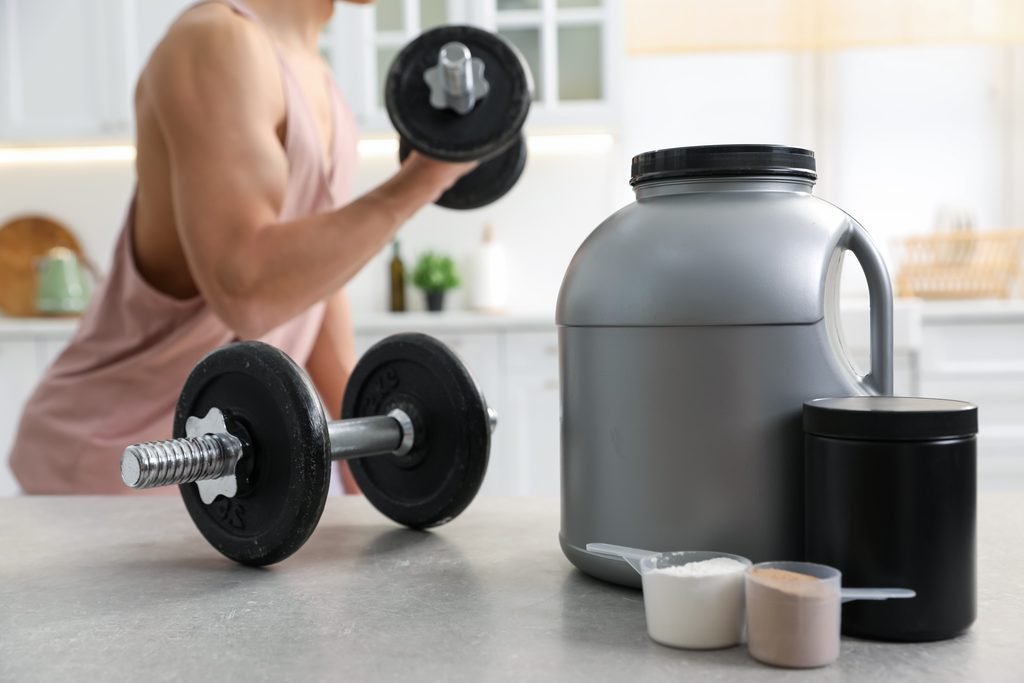
Protein powder, for example, makes it easier to meet daily protein needs. Creatine can improve strength and high-intensity training performance, which may help me get more from my workouts over time.
Other supplements have a less direct relationship with muscle growth. Caffeine mainly supports training performance by reducing perceived fatigue and increasing alertness.
Beta-alanine can help during certain types of intense exercise, but that does not automatically make it a powerful hypertrophy supplement.
That distinction matters because better exercise performance and greater muscle growth are not always the same thing.
Before spending money on supplements, I focus on the basics:
- Progressive resistance training
- Enough calories for my goal
- Adequate daily protein
- Consistent sleep and recovery
Supplements come after those foundations are in place.
Muscle-Building vs Performance Supplements: Why the Difference Matters
One of the easiest mistakes to make is assuming that every bodybuilding supplement directly builds muscle.
Protein powder does not magically create muscle. It is simply a convenient source of protein.
If I already get enough protein from meat, fish, eggs, dairy, soy, beans, and other foods, protein powder becomes less important.
Creatine is different. It is one of the most extensively studied sports supplements and can support strength, power, and adaptations to resistance training.
Caffeine and beta-alanine have different jobs again. They may help certain aspects of exercise performance, but their effects should not be confused with directly stimulating hypertrophy.
Understanding those differences helps me decide what is actually useful instead of buying every product marketed toward bodybuilders.
5 Best Bodybuilding Supplements for Muscle Growth and Performance
1. Creatine Monohydrate
Creatine monohydrate is one of the first supplements I would consider.
Creatine increases the availability of phosphocreatine in muscle, helping regenerate ATP during short, intense efforts such as weight training.
That does not mean creatine creates muscle on its own. Its value comes from supporting training performance and, over time, the adaptations produced by consistent resistance training.
A common maintenance dose is 3–5 grams per day. A loading phase can saturate muscle creatine stores faster, but it is optional.
I would also stick with creatine monohydrate rather than assuming more expensive forms of creatine are automatically better.
2. Protein Powder
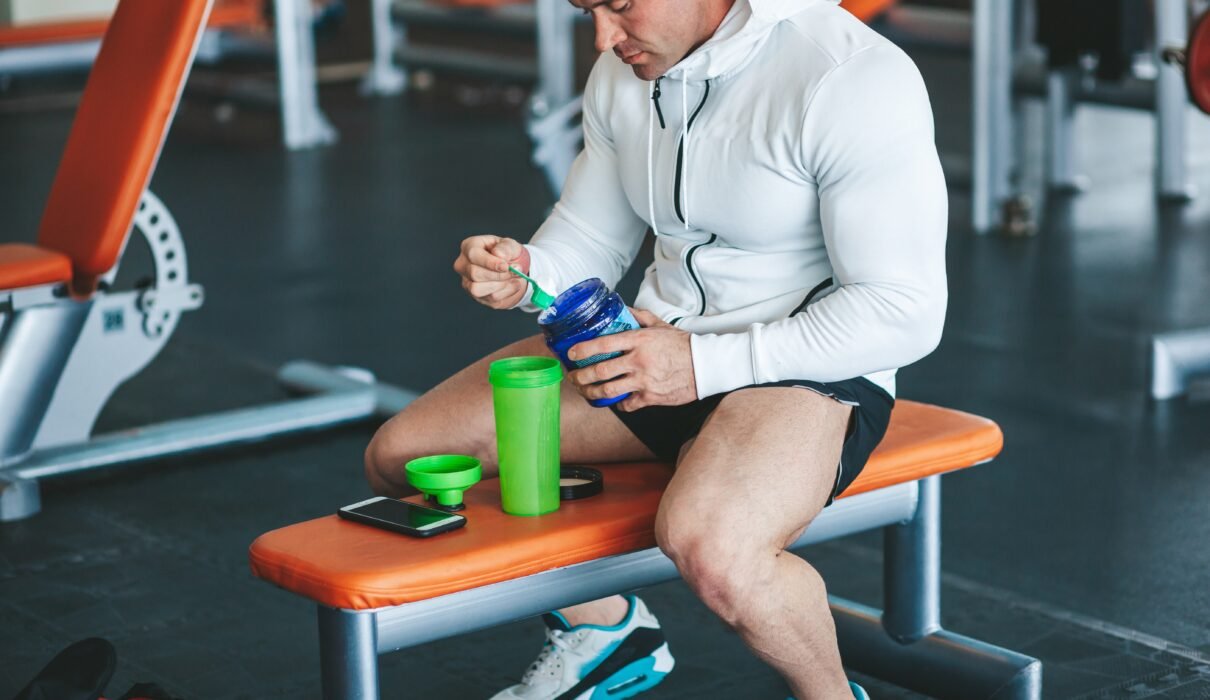
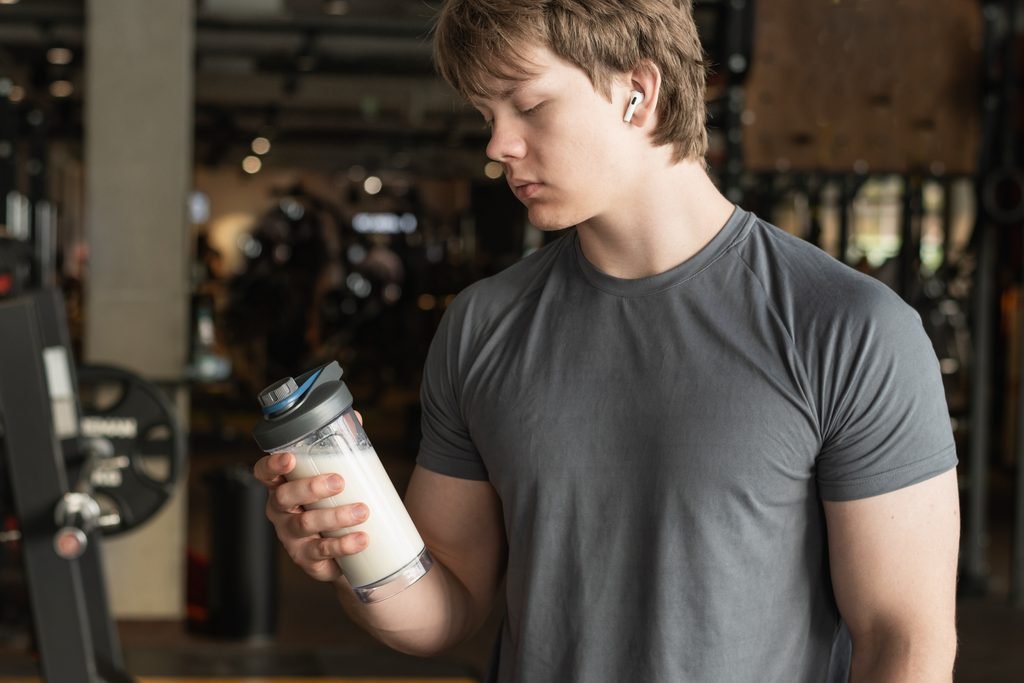
I think of protein powder as convenient food rather than a special muscle-building formula.
Muscle protein synthesis requires amino acids. If I already consume enough high-quality protein through my diet, adding more protein powder may provide little additional benefit.
The advantage is convenience.
Whey, casein, soy, pea, and other protein powders can make hitting a daily protein target much easier, especially when I am busy or do not want another full meal.
Before buying protein powder, I ask:
Am I regularly struggling to get enough protein from food?
If the answer is yes, protein powder can be a practical addition.
3. Caffeine
Caffeine belongs more in the performance category than the direct muscle-growth category.
It can reduce perceived fatigue and improve some aspects of exercise performance. Research commonly examines doses around 2–6 mg/kg of body weight, although individual tolerance varies considerably.
More is not necessarily better.
Large doses can cause nervousness, digestive discomfort, a racing heartbeat, or poor sleep. And if my evening pre-workout keeps me awake at night, that trade-off may not be worth it.
I use caffeine as a training tool, not as something I need before every workout.
4. Beta-Alanine
Beta-alanine increases muscle carnosine, which helps buffer changes associated with intense exercise.
Research suggests that it can improve performance during some high-intensity exercise, particularly efforts lasting roughly 30 seconds to several minutes. The evidence that it directly produces greater muscle growth from resistance training is less convincing.
Research protocols commonly use around 4–6 grams daily for several weeks.
Beta-alanine can also cause a temporary tingling sensation known as paresthesia. It may feel dramatic, but that sensation itself does not mean the supplement is working better.
For bodybuilding, I place beta-alanine behind creatine and adequate protein.
5. HMB
HMB, or beta-hydroxy-beta-methylbutyrate, is a metabolite of the amino acid leucine.
It is commonly promoted for muscle growth and recovery, but the research is more mixed than the marketing often suggests.
Some evidence suggests HMB may be useful in particular circumstances involving muscle damage or certain populations. That does not make it essential for every experienced lifter.
For me, HMB is a situational supplement rather than a foundation of a bodybuilding stack.
Do I Need BCAAs for Muscle Growth?
BCAAs are a good example of why I separate supplement marketing from actual need.
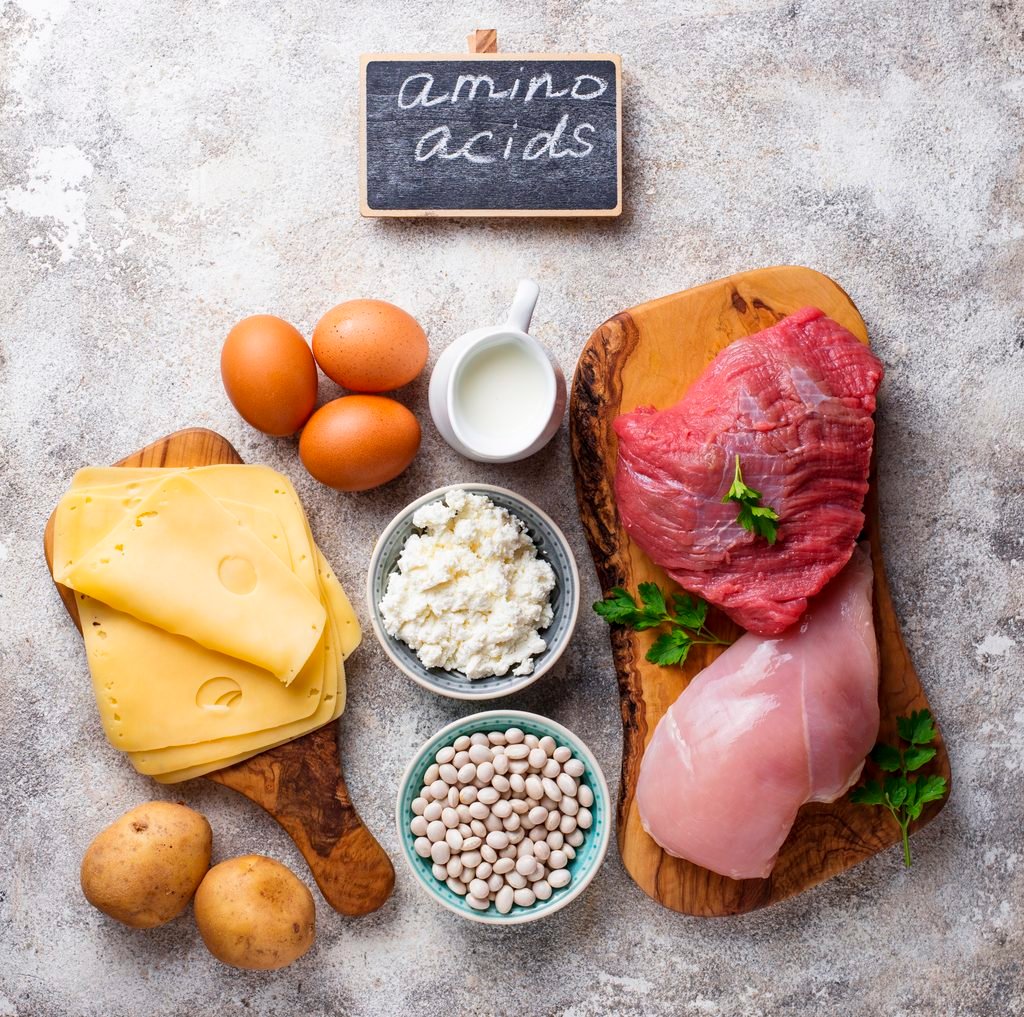
Leucine, isoleucine, and valine are essential amino acids involved in muscle metabolism. But complete protein foods and quality protein powders already provide BCAAs along with the other essential amino acids.
If I am already eating enough high-quality protein, adding a separate BCAA supplement may provide little extra benefit for muscle growth.
That money may be better spent on food, protein powder if I actually need it, or creatine.
The Supplement Strategy I Keep Coming Back To
I prefer keeping bodybuilding supplements simple.
First, I make sure my resistance training is consistent and progressing. Then I look at calories, protein, sleep, and recovery.
Only after that do supplements enter the picture.
Creatine monohydrate fits easily into this approach. Protein powder makes sense when food alone does not conveniently meet my protein needs. Caffeine can be useful when I want a performance boost and tolerate it well.
Before adding anything else, I ask:
What problem is this supplement solving?
If I cannot give myself a clear answer, I probably do not need it.
What I Check Before Buying a Bodybuilding Supplement
The ingredient on the front of the container is only part of the story.
I also want to know what is actually inside the product and how much I am getting per serving. Clear labels are more useful than proprietary blends that make effective doses difficult to judge.
Third-party certification is another consideration, especially for competitive athletes. Programs such as NSF Certified for Sport test products and screen for substances that may be prohibited in sport.
Price matters too. I would rather buy a simple product with a useful dose of a well-researched ingredient than pay extra for a flashy formula containing many ingredients I do not need.
5 Supplement Habits That Can Hold Back Progress
1. Using Supplements to Fix an Inconsistent Program
Creatine cannot rescue training that changes every week.
What I do instead:
Keep my training consistent enough to measure progressive improvement.
2. Building a Huge Supplement Stack
It is easy to assume five products must work better than two.
What I do instead:
Give every supplement a specific purpose.
3. Adding BCAAs to an Already High-Protein Diet
I may simply be paying for amino acids I already consume.
What I do instead:
Check my total protein intake first.
4. Ignoring the Actual Dose
Seeing creatine or beta-alanine on a label means little if the product contains an inadequate amount.
What I do instead:
Compare the serving with doses commonly studied in research.
5. Letting Pre-Workout Interfere With Sleep
A great evening workout is less impressive if I cannot sleep afterward.
What I do instead:
Keep caffeine earlier in the day or train without it when necessary.
How I Know Whether a Supplement Is Worth Keeping
I do not judge a supplement by how much it makes me sweat, tingle, or feel “pumped.”
Those sensations can be noticeable without telling me much about long-term muscle growth.
Instead, I look at:
- Body weight trends
- Muscle measurements
- Progress photos
- Strength and repetitions
- Training volume
- Workout consistency
- Sleep and recovery
I also avoid changing everything at once. If I change my diet, program, supplements, and sleep schedule in the same week, I will have no idea which change actually mattered.
My Final ‘‘Boring’’Thoughts
The best bodybuilding supplements for muscle growth do not need complicated labels.
My priorities remain progressive resistance training, enough calories and protein, adequate sleep, and consistency.
After that, creatine monohydrate has a strong case. Protein powder is useful when it helps me reach my protein target, while caffeine can support workout performance when used appropriately.
Beta-alanine and HMB are more situational, while separate BCAAs may add little when my protein intake is already sufficient.
The goal is not to build the biggest supplement stack.
It is to understand why I am taking each supplement and whether the evidence actually matches my goal.
