

 By
By 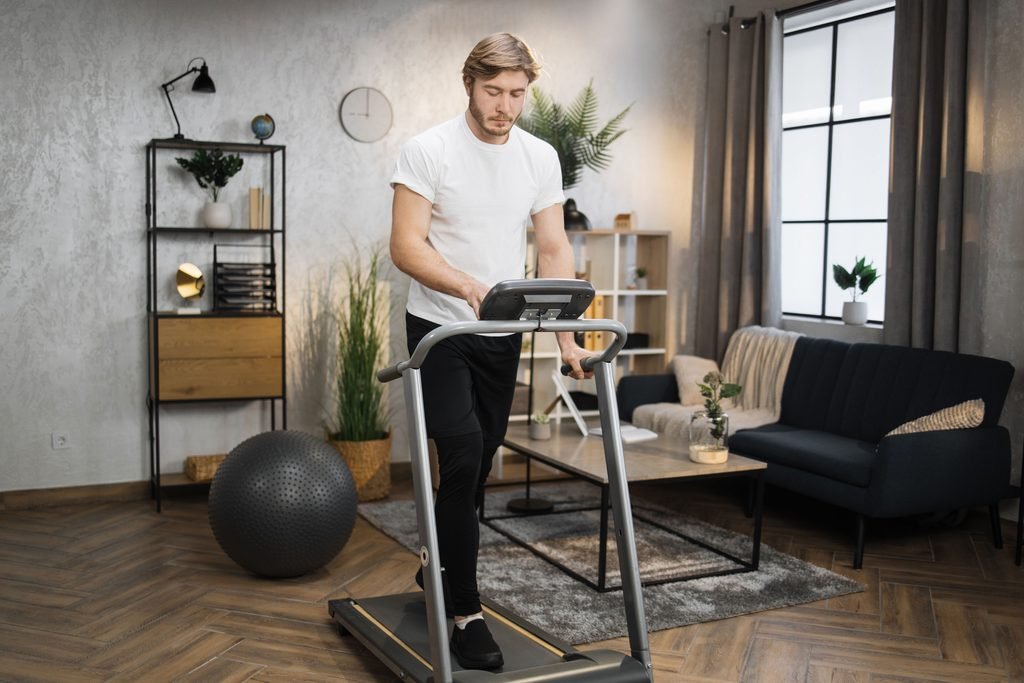
Buying a treadmill for home appears simple until I start comparing different options.
One has a giant touchscreen, another mentions its horse power in the same breath as a luxury car, there are folding decks, percentages of inclines, belt sizes, maximum speeds, subscriptions that promise to enhance workouts, cushioning systems for all kinds of joints, and enough workout programs to make walking seem like an advanced athletic activity.
What I’ve learned is that good home treadmills are not defined by a single impressive specification.
A treadmill for someone who walks for 30 minutes after dinner doesn’t need to be the same machine as the one the runner uses for intervals four mornings a week, and the most feature-laden of these is not much of a bargain if it doesn’t fit in the room, is uncomfortable to run on, or so annoying that it won’t be used.
So before comparing treadmills, I think it’s more useful to identify what we’re buying.
Start With the Workout, Not the Treadmill
Imagine three people shopping for a treadmill.
One wants to watch television while walking. Another plans to jog three or four times a week. The third wants to run long and fast indoors when the weather is bad.
All three need a treadmill, but none need the same sort of machine.
For Mostly Walking
If walking is the main goal, I’m interested in comfort, stability, easy controls, reasonable noisiness, and whether the machine will look good in the corner.
Maximum speed isn’t an issue.
Incline, on the other hand, can become a useful tool that allows me to make walking a bit harder without turning it into running.
Smaller treadmills may also be just fine, especially if floor space matters.
For Jogging and Occasional Running
Now I’m much pickier.
I need the belt to be large enough to allow my stride, for the machine to stay stable as I gain speed, and for the treadmill to have a motor that can handle more than walking.
For Regular Running
Deck size, stability, motor, speed controls, construction, and overall durability all become much more important.
Now the treadmill needs to be something I can train on instead of constantly adjusting myself to.
That’s the first lesson I’d use when comparing good home treadmills:
Buy for the hardest activity you’ll realistically do, not the easiest one.
The Running Belt Is More Important Than the Screen
Screens are great ways to sell treadmills.
Running belts are not.
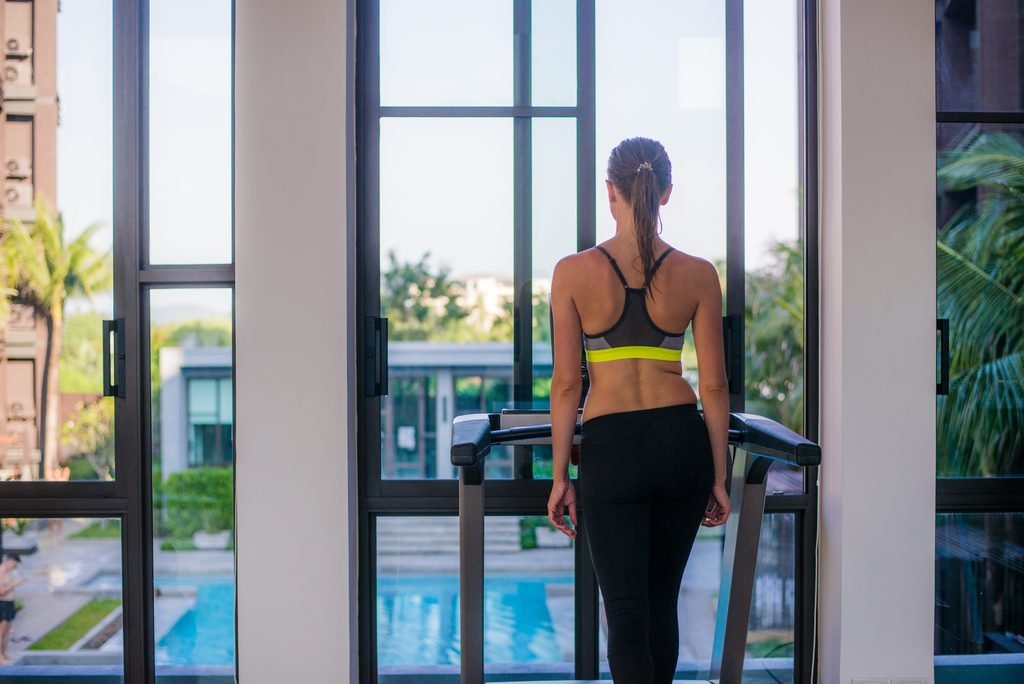
If I had to choose between a large screen and a belt that allows me to run normally, however, I’d take the running surface.
A treadmill belt has two measurements that I find immediately important: width and length.
Length becomes critical at higher speeds because my stride is generally more spread out as I run faster.
Width dictates how far I can move from side to side without getting the sense that every step now requires intense concentration.
That doesn’t mean everyone needs the largest possible deck.
Someone who mainly walks may be quite comfortable on a more compact surface, whereas a taller person or someone serious about running at a faster pace may well appreciate substantially more room.
The useful question is not:
What’s the largest treadmill belt?
But rather:
Do I have enough room to comfortably walk or run without having to think about the belt?
If the answer is no, the touchscreen becomes incredibly unimportant.
Then I Look at the Motor, but Not by Itself
Treadmill motor numbers can become a competition.
More horsepower sounds better, so it’s tempting to look at two machines and immediately favor the one with the larger number.
I don’t think that’s enough.
The workload matters.
A treadmill being used for casual walking will likely not face the same repeated demands as one that’s being used for longer runs, faster intervals, or multiple members of the same household.
So yes, motor capacity matters more as training demands increase.
But I consider it as part of a combination:
- How the treadmill is intended to be used
- Maximum speed
- User weight capacity
- Construction
- Warranty
- Manufacturer support
- Credible long-term owner feedback
One impressive number doesn’t tell me much about how the entire machine will perform.
Stability Is the Feature I Can’t See in a Product Photo
And that’s why buying online can be problematic.
A treadmill can appear nice in a product photo but feel very different once someone gets on it.
I don’t want the console shakily moving every time my foot hits the belt, or for the machine to feel noticeably unstable when the speed increases. I certainly don’t want to discover these things after getting a very heavy treadmill into the house.
Machine weight and frame construction can give me some clues, but credible hands-on reviews are particularly valuable here.
A lighter machine could be completely fine while performing a relaxed walk, but not nearly so reassuring while running at speed.
Finding the Right Speed and Incline for My Workouts
A treadmill with a top speed of 12 or 14 mph sounds better than one with a lower maximum.
Technically, yes.
But capability only matters if I use it.
If my workouts are largely going to consist of walking at 3 mph, I wouldn’t get much out of paying substantially more for a maximum speed I’m not going to approach.
If I’m intending to do intervals or faster running, I want a maximum speed appropriate for my training and controls that I can use to switch speeds easily.
Incline Is Different
Incline is one feature I can see potentially being useful to several types of users.
For walkers, increasing incline can provide more challenge without speeding up.
For runners, it can offer variety and yet another option for organizing workouts.
Some machines also offer decline.
That’s interesting, but I wouldn’t pay extra for it unless I knew why I wanted it.
This is a particularly good rule of thumb for treadmill features in general:
If I can’t explain how I’m going to use the feature, I probably shouldn’t pay much extra for it.
Cushioning Sounds Simple, but It Isn’t
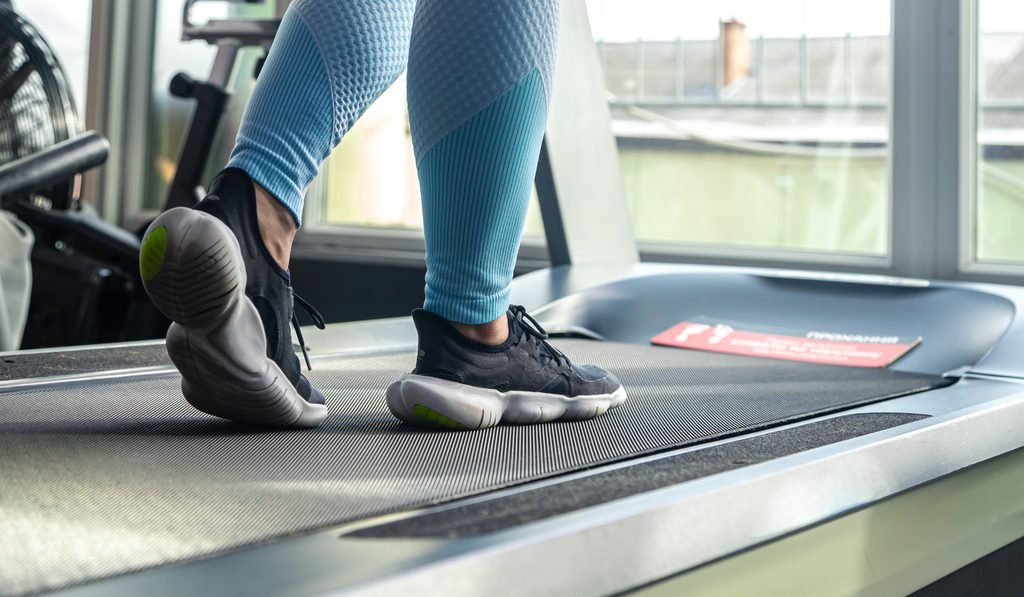
Many manufacturers will name their treadmill decks impressive-sounding things and make strong claims about cushioning.
I prefer to be more cautious.
Research comparing motorized treadmill and overground running found that many biomechanical measures were broadly comparable, but there were still measurable differences between the two environments.
Research on treadmill versus overground walking reached a similar general conclusion: many outcomes were comparable, but treadmill walking wasn’t mechanically identical to walking outside.
So I wouldn’t buy a treadmill based on marketing that made it sound as though cushioning could magically eliminate stress from running.
I’d rather ask myself if the deck feels comfortable and stable for me.
Comfort matters. So does training load, progression, footwear, recovery, and the amount of exercise I’m doing.
No single treadmill feature can control that entire picture.
Don’t Forget About the Person Standing on It
Maximum user weight is one of those specifications that one may forget about when contrasting various models and motors.
I would not make that mistake.
The treadmill has to be adequately sized for the person using it.
If there are multiple people in the household who want to use it, I would take into account the most difficult-to-accommodate realistic user instead of the easiest.
Height is also a consideration, not because most treadmills have a particular height limitation, but because a user’s physical size can interfere with the comfort of a given belt size.
The same treadmill can feel too cramped for one person and too spacious for another.
The Home Part of “Home Treadmill” Matters More Than It Seems
This is where I would put away the spec sheet and get out the measuring tape.
A treadmill is not something that exists purely on a spec sheet.
It has to be placed somewhere, whether that is the bedroom, basement, garage, or wherever else a person may have space.
I want to know the actual size of the fully expanded treadmill.
Not the folded size.
Not the shipping size.
The fully expanded size.
Then I will look at the space and take into account the clearance around the treadmill.
I need to be able to get on and off of it comfortably. I also have to ensure that the ceiling height is adequate given the height of the user and the additional height from the deck.
A folding treadmill can provide a substantial benefit in a limited space, but “folding” does not always mean “compact.”
And Then There’s the Noise
Even if a treadmill has great specs, it may not be conducive to use in a shared space.
There are various sources of noise to consider, including the motor, belt, footfalls, and vibrations transmitted through the floor.
If I were using a treadmill in an outbuilding, it would not be an issue.
If I were running on it first thing in the morning above someone’s head, it would be.
Smart Features: Useful, Fun, or Just Expensive?
Most modern treadmills offer some sort of smart features, such as:
- Large displays
- Streaming services
- Instructor videos
- Automated speed and incline
- Bluetooth
- Heart-rate monitors
- Fitness tracking apps
- Training logs
- Speakers
Some of these are genuinely useful.
If interactive features motivate me to use the treadmill four times per week instead of once, then it is well worth it.
However, there is the other side of the argument.
Maybe I already have a tablet.
Maybe I prefer my own training plans.
Maybe I don’t want to pay for another subscription.
If so, I may not want to pay a premium for a smart display that I am not going to use.
Both functional and entertainment features can have their place, but the two are completely different.
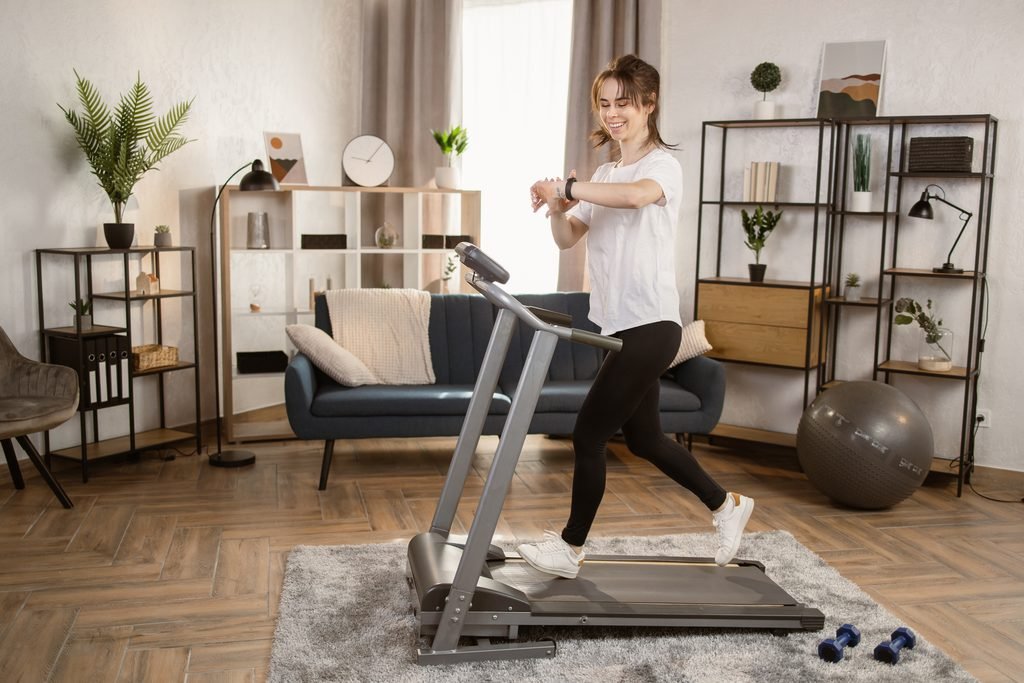
A Treadmill Doesn’t Have to Replace Outdoor Exercise
I do not think that they should be mutually exclusive.
A treadmill represents control, whereas outdoor training is variety.
The weather won’t dictate my workout, I can stick to precise speeds, and incline is much more predictable.
On the other hand, trails, hills, and wind provide opportunities that a treadmill cannot.
There is a systematic review on PubMed that suggests treadmill and overground running are mostly similar in terms of biomechanics, with some differences noted.
It does not make treadmill running fake exercise, but it does highlight the differences.
In terms of overall health, it is less important how the exercise was performed and more important that it was done.
The Physical Activity Guidelines for Americans recommend 150–300 minutes of moderate-intensity aerobic physical activity or 75–150 minutes of vigorous-intensity aerobic physical activity, in addition to muscle-strengthening activities on at least two days per week for most adults.
A treadmill can make the aerobic component significantly more accessible.
Things I’d Check One Last Time Before Buying
Instead of another large section, here are some questions I would ask myself before shelling out the cash.
Will I mainly be walking, jogging, or running?
It informs a lot of other considerations.
Is the belt size going to be adequate for my stride?
I don’t want to have to modify my walking pattern just to be able to use the treadmill.
Does it feel stable at the speeds at which I am going to use it?
Walking and running have different stability requirements.
Is the maximum user weight going to be appropriate?
I need to think about everyone who is likely to use the treadmill.
Does it fit the available space when it is opened up?
The folded size is nice, but it has to go somewhere.
What does the warranty cover?
I would look at the warranty for the frame, motor, parts, electronics, and labor separately instead of just looking at the “10-year warranty.”
Does it require a subscription to use any of the features?
And if I cancel, what happens to them?
Can it handle what I want to do in a year’s time?
I don’t need massive overkill, but I also don’t want to upgrade after three months because I outgrew the treadmill.
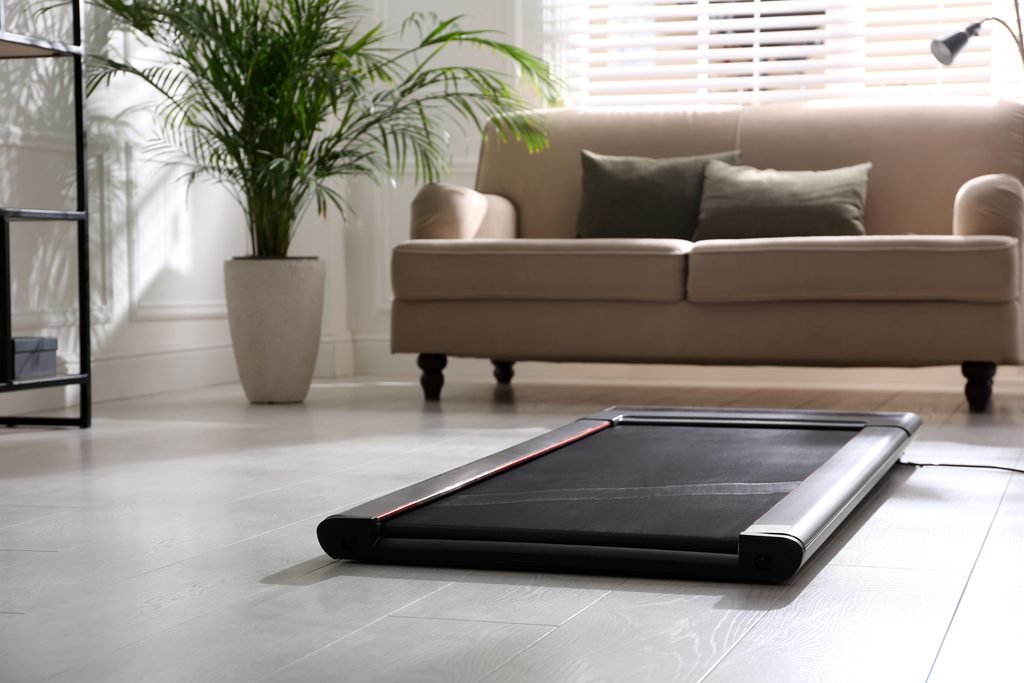
My final “Boring” Thoughts
Probably not the thing written in the biggest font on its product page.
I’d call a treadmill good when I have enough space to move naturally, the machine stays stable during my actual workouts, its motor and construction match how often I train, and using it wouldn’t create a new problem inside my home.
After that, I can care about screens, apps, speakers, workout programs, and everything else.
That’s the part treadmill shopping sometimes gets backwards.
The exciting features should come after the boring ones.
Because six months from now, I probably won’t care that my treadmill had the flashiest product page.
I’ll care whether I can step onto it, start my workout, and forget about the machine underneath me.
