


 By
By 
When I first started comparing energy protein bars, I was surprised that the nutrition-bar aisle can be so confusing. One bar promises energy, another boasts 20 grams of protein, and a third talks of low sugar or high fiber.
These claims can be misleading because they don’t indicate what the bar can truly do for me.
The bar I munch while working can fulfill a different need than the one I eat after an intense session of weightlifting.
If I’ve just finished a set of deadlifts and I want to get back to the barbell, the next bar I eat shouldn’t necessarily be the same one I used to fuel my legs through my morning run.
That’s why I don’t judge energy and protein bars on one number on the front of the wrapper. I look at the whole nutrition profile, as well as why I’m eating it in the first place.
My goal is to make this process as easy as possible and help distinguish what good nutrition information looks like from smart marketing.
What Energy Protein Bars Really Are
Despite the name, energy is not created using a magic ingredient called “energy.” Food provides calories in the form of carbs, protein, and fat.
The difference between the bars is the type and amount of these nutrients.
An energy-focused bar generally contains more carbs because they can be useful when I need fuel for activity.
Protein bars have more protein to help make it easy to increase my daily protein intake. Some energy protein bars have both.
The Overlap Matters
I do not assume a bar with more protein is healthy just because it doesn’t have as many carbs, and I certainly don’t think a bar with more carbs makes it unhealthy.
It’s all about what I need to get more of—the energy I need during a long bike ride or the protein I need as part of my diet after my morning workout.
That’s why the information on the Nutrition Facts label tells me a much more useful story than the product name.
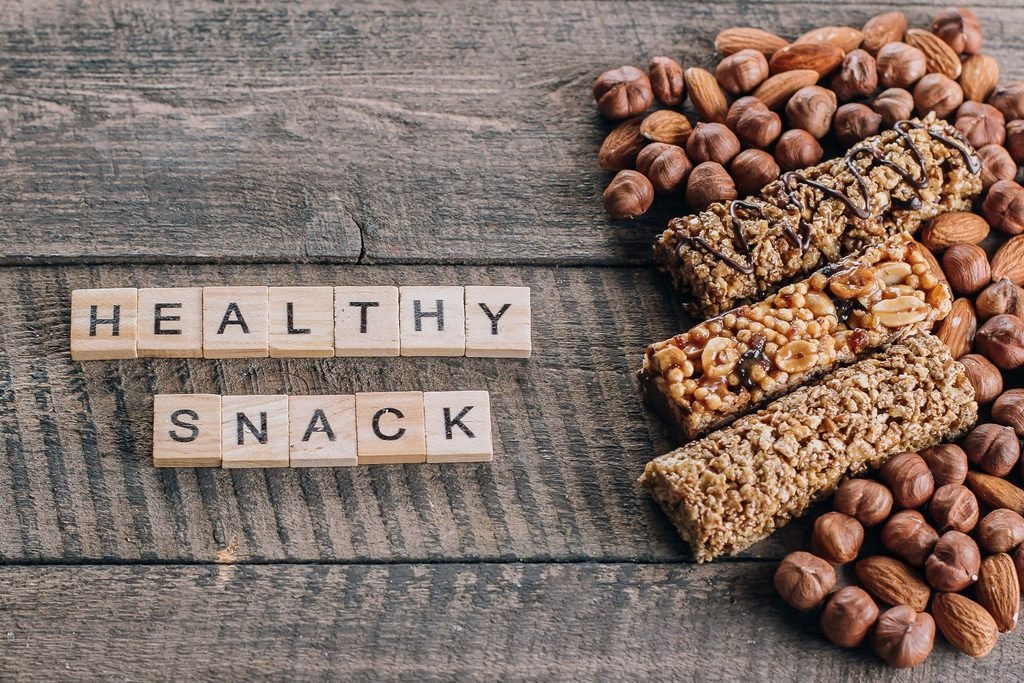
Energy Bars vs. Protein Bars: What’s More Important Than the Name?
Energy bars and protein bars are often seen as completely different types of products, but the line between the two can sometimes be quite blurry.
An energy bar generally contains more carbs to give me energy, while a protein bar gives me more protein. However, there is also a significant overlap since many products contain a good mix of both.
Rather than focusing on which type of bar I should buy, I like to ask a much simpler question:
What do I need this bar to do for me?
If I’m planning to go for a long hike, the amount of carbs may be much more important than if I’m just trying to increase the amount of protein in my daily diet.
If I’m hungry at work and I just want something quick to fill me up, I’m going to think about calories, protein, fiber, carbs, taste, and how full I feel after eating it.
The name on the wrapper can help me, but it isn’t going to do the hard work for me.
My Approach to Choosing Energy Protein Bars
I find it much easier to compare bars when I follow the same process.
a: Decide What I Am Eating It For
Before I read the label, I decide what I need the bar to do for me.
Do I need it to be an energizing pre-workout? Do I need a post-workout recovery bar? Do I need an extra boost of protein in my diet? Or do I just need something quick and easy between meals?
This is the first step because it shapes my perspective on the rest of the label.
b: Check the Serving Size and Calories
The next thing I look at is the serving size.
The FDA explains serving sizes and Nutrition Facts , so I check how much of the product the numbers on the label actually represent.
Calories aren’t necessarily something I want to avoid.
Depending on how I’m using the bar, I may actually want it to have more calories to fuel my workout, for example.
The context in which I use the bar matters more than a number.
c: Look at Carbohydrates
Carbohydrates are something that is overlooked too often in the discussion of protein bars.
When I need extra fuel for a demanding workout, carbohydrate availability can be important, so it makes sense that a bar meant for active use may provide more carbs than one meant to be a protein-heavy snack.
Carbs don’t automatically mean a bad thing.
I evaluate the carb content based on when and how I know I’m going to eat the bar.
d: Check the Protein
Now I refer to the next big number—the protein.
Protein can often lend itself to a bar’s convenience value when I’m trying to get enough throughout the day without having to think about it too hard.
In contrast, I’m not necessarily looking for the highest number on the label.
While a high-protein bar might seem like an obvious choice, I still want the entire nutritional profile to suit my needs based on when and how I’m going to eat it.
e: Look at Fiber
Fiber is another component that can boost the value of a nutrition bar as an everyday snack.
The FDA’s Nutrition Facts guidance identifies dietary fiber as one of the nutrients many Americans don’t get enough of.
However, it can come down to timing once again.
While a fiber-rich bar might be a solid choice between meals, it may not be the best option right before a big workout if I have a sensitive stomach.
The timing and effect on my digestion matter as much as the number itself.
f: Check Added Sugar
I also like to know the difference between total sugars and added sugars.
The nutrition label separates out added sugars , which gives me a more complete picture of what I’m actually getting from the bar.
It’s more useful than simply seeing “sugar” on a label and deciding whether I want the product based on that alone.
g: Read the Whole Label
Lastly, I consider other factors beyond protein and sugar.
Calories, carbohydrates, fiber, saturated fat, sodium, added sugars, ingredients, and serving size all contribute to the bigger picture.
I don’t rely on one number to tell me whether I want the bar or not.

Choosing a Bar Based on When I Eat It
The same energy protein bar can be more or less appealing based on when I know I’m going to eat it.
Before a Workout
When I’m thinking about eating before a workout, it’s all about fuel and digestion.
For harder or longer workouts, carbs can become more useful, and I have to consider how much fat, fiber, and protein I personally need to feel good before training.
A bar that makes me feel stuffed isn’t a good choice for pre-workout in spite of an impressive nutrition label.
During Longer Exercise
When I’m doing longer endurance activities, everything shifts slightly.
Carbohydrates can become more important because I need to continue fueling while I’m exercising.
This is one of the times that I don’t necessarily want the bar with the least amount of sugar on the label.
After Training
When I’m looking to recover after a hard workout, my focus turns to protein.
Protein provides amino acids that my body can use for muscle repair, while carbs can also become useful after demanding exercise.
I don’t always need a “recovery bar” with a special blend of ingredients.
Protein and carbs can come from normal foods, and a bar can simply be a convenient way to get them when regular food isn’t practical.
Between Meals
When I’m eating the bar as more of a standard snack, I look at things differently.
I may want a balanced mix of protein and fiber while keeping an eye on calories and added sugar to stay within my daily needs.
At this point, I’m choosing a snack instead of a sport-specific bar.
That distinction makes comparing products much easier.
Does More Protein Make a Better Energy Bar?
It’s easy to think that a bar containing 25 or 30 grams of protein would be better than one with less. I don’t use that as a determining factor, though.
Protein needs vary depending on body size, activity and training levels, overall diet, and goals. More importantly, one snack isn’t going to dictate whether my diet has enough protein.
I look at what I’m consuming throughout the day as a whole.
If I have meals that are already heavy in protein, I may not need every snack to be a protein-packed powerhouse.
If I struggle to get enough protein during the day, a protein-heavy bar may be a helpful addition to the snacks I eat anyway.
That way I’m not putting one factor in my diet into competition with everything else.
What About Sugar in Energy Protein Bars?
Sugar is one of the easiest aspects of a nutrition label to misunderstand.
For an everyday snack, I’d prefer one that doesn’t contribute a large amount of added sugar to my diet.
The FDA recommends limiting added sugars to less than 10% of total daily calories . On a 2,000-calorie diet, the Daily Value for added sugars is 50 grams.
But I also consider context.
A carb-heavy product used during prolonged exercise serves a completely different purpose than a candy-like bar I’m eating while sitting at my desk.
Instead of viewing every gram of sugar as a negative, I think about why the bar contains it, when I’ll be eating it, and how it fits into my overall diet.

My Training Strategy for Using Energy Protein Bars
I see bars as convenience items and not necessities for my fitness.
When it comes to strength training, I’m far more concerned with meeting my overall energy and protein needs throughout the day.
When it comes to endurance training, however, carbohydrate availability becomes increasingly important as my workouts get longer or harder.
For short and ordinary workouts, I may not need a bar of any kind.
A normal meal, eaten at the right time, might be all I need altogether.
That’s an important consideration because simply buying more sports products will not create better training.
My Nutrition and Recovery Strategy
I find that energy protein bars are most useful to me when they solve a specific need.
Perhaps I’m traveling. Perhaps I can’t prepare a meal right after training. Perhaps it’s something that simply needs to fit in a gym bag.
Those are instances where convenience matters considerably.
But I don’t want bars to take the place of the variety in my regular diet.
Foods such as fruit, vegetables, whole grains, dairy or alternatives, nuts, seeds, eggs, fish, meat, and legumes can help provide nutrients that I would not necessarily get from relying heavily on packaged bars.
A bar can be part of a nutritious diet. It just can’t be the foundation of it.
Energy Protein Bar Mistakes I Try to Avoid
1. Choosing the Bar With the Most Protein
More protein isn’t necessarily better.
Better option: I choose an amount that I feel comfortable integrating into my overall diet.
2. I Always Want Low Sugar
A bar with a different purpose is not made better by simply having less sugar.
Better option: I think about timing and how it’s going to fit into my routine.
3. I Forget About Serving Size
It’s difficult to judge the nutrition if I don’t determine how much food I’m actually eating.
Better option: I consider the serving size before I start comparing products.
4. I Forget About Calories
A healthy-looking wrapper isn’t going to cancel out calories.
Better option: I think about the energy the bar will give me based on what I need at that given time.
5. Using Bars Instead of Meals
Convenience can become dependence, ultimately.
Better option: I use bars as a way to make good nutrition easier when I need it rather than replacing regular meals just because it’s easier.
6. Trying a New Bar Right Before an Important Workout
Ingredients, fiber, sweeteners, and portion size can all affect people differently.
Better option: I try new bars during ordinary training first to see how I react.

Signs an Energy Protein Bar Fits My Needs
I don’t judge a bar based on a single factor or the claims on the front of the wrapper.
I look at its utility in a practical sense.
Energy: Does it provide enough fuel for the situation I’m using it in?
Protein: Does it contribute a meaningful amount to my overall protein intake when I need it?
Digestion: Can I eat it without discomfort, fullness, or digestive troubles?
Hunger: As a snack, is it something that will satisfy me until my next meal?
Training: If I’m eating it around a workout, does it sit comfortably in my stomach and play well with my training session?
Convenience: Is it genuinely making my nutrition better or easier?
Taste: Will I actually eat it consistently?
That’s going to tell me a lot more than any claim on the front of a wrapper.
My Final “Boring’’ Thoughts
The best energy protein bars aren’t necessarily the ones with the highest amounts of protein, the fewest amounts of sugar, or the biggest fitness claims.
I begin by assessing what my need for the bar is.
If I need a source of fuel for workouts, carbohydrates and digestion become a concern. If I’m looking for a convenient way to increase my protein intake, protein is an important factor. If I just need a standard snack, I look not just at calories but at the overall picture of what I need in my diet.
Most importantly, I keep in mind that a bar is a convenience food.
It’s useful before or after a workout, during more prolonged activity, when I’m traveling, or when preparing regular food is difficult. But it’s going to fail to replace the benefits that building a diet out of varied foods can provide in meeting my energy and nutrient needs.
Instead of questioning whether an energy bar or protein bar is better in general, I ask myself a more useful question:
What do I need from this bar?
Once I know the answer to that, the Nutrition Facts label becomes much easier to understand, and the claims on the front of the wrapper become much less important.
