

 By
By 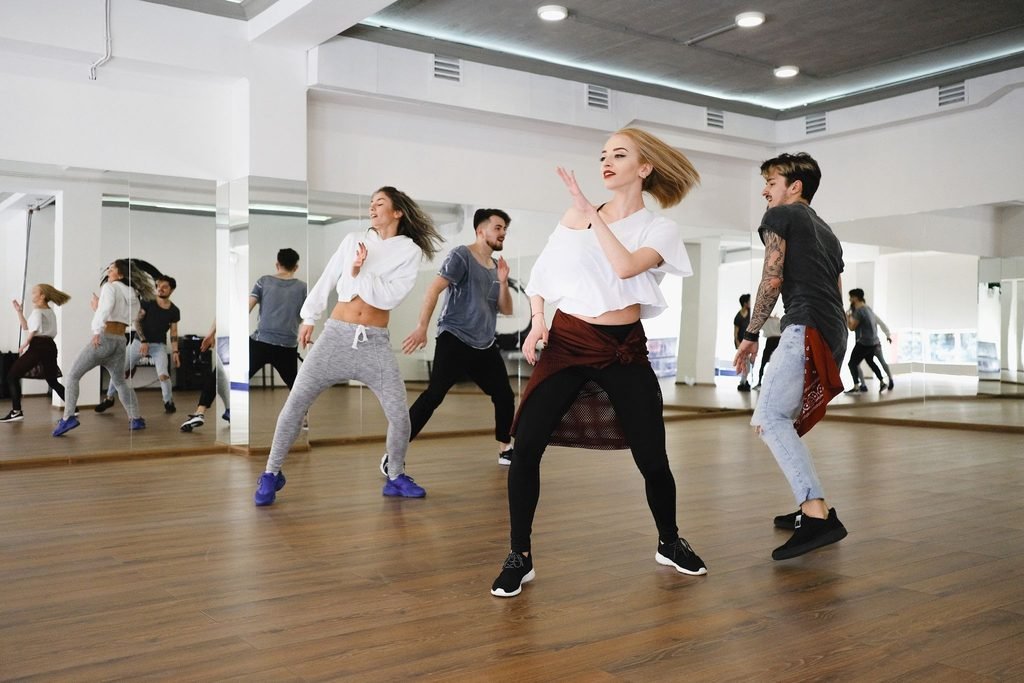
When I began looking into why people struggle to maintain a fitness routine, I discovered something interesting: the problem is often not a lack of information.
Most people already know that exercise is important.
The real challenge is finding a type of exercise that feels enjoyable enough to continue.
Many traditional workouts can become repetitive. Running on a treadmill, repeating the same exercises, or following a strict routine may work well for some people, but others lose motivation because the experience feels like a task rather than something they enjoy.
This is where dance workout classes create a different approach.
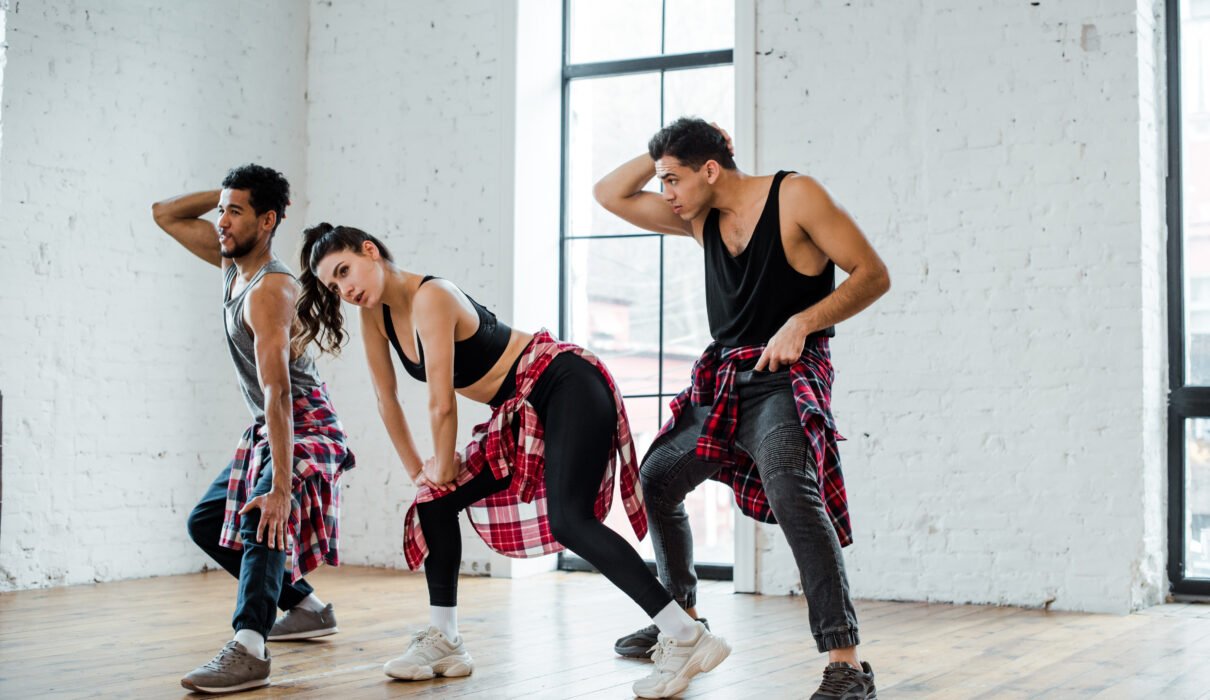
Dance combines movement, music, rhythm, and social interaction to create an exercise experience that feels more engaging.
While many people think of dance only as entertainment, research shows that dance-based exercise can provide meaningful fitness benefits.
According to dance and physical activity benefits: Regular movement activities can support overall health, improve physical function, and contribute to a healthier lifestyle.
In this article, I will explore why dance workout classes can be an effective fitness option, how they improve the body, and why enjoyable exercise often leads to better long-term consistency.
What Exactly Are Dance Workout Classes?
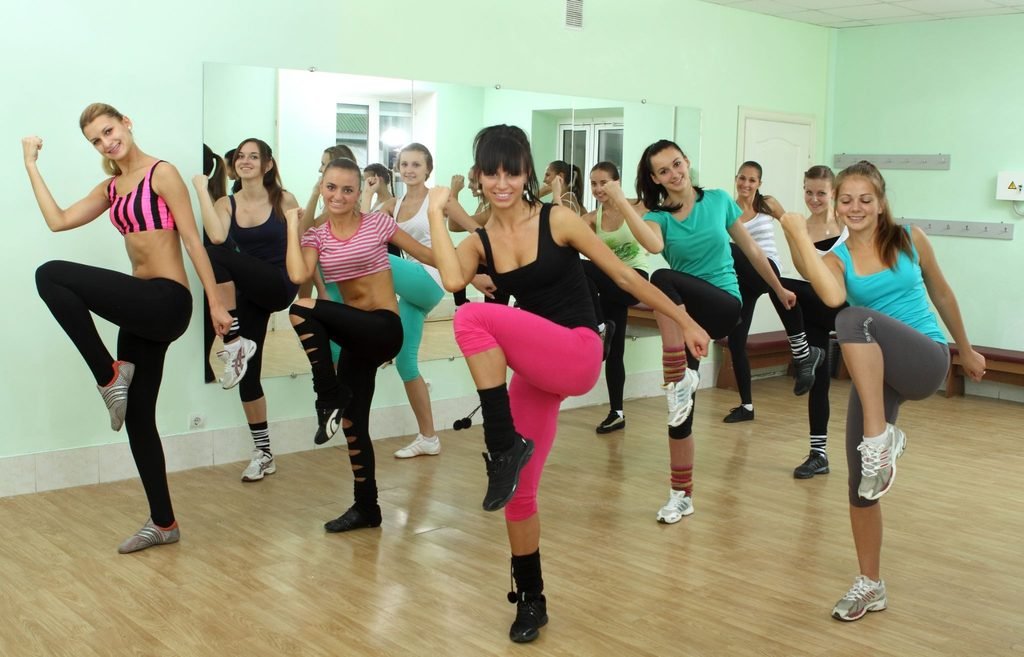
A dance workout class combines structured exercise with dance-based movements.
Instead of simply learning choreography for performance, fitness dance classes focus on continuous movement, increased heart rate, and physical conditioning.
These classes can include different styles such as:
- Dance cardio
- Zumba-style workouts
- Hip-hop fitness
- Rhythm-based training
- Low-impact dance workouts
Although each style looks different, many dance workout classes share similar fitness principles:
- Continuous movement
- Full-body engagement
- Increased heart rate
- Coordination challenges
- Repeated movement patterns
From a fitness perspective, dance workouts are a form of active exercise that challenges multiple systems of the body at the same time.
The body must control movement, maintain balance, and produce energy to continue performing.
This makes dance different from many traditional workouts because it combines physical effort with mental engagement.
Dance Workout Classes as Aerobic Exercise
When most people think about aerobic exercise, they usually imagine activities like running, cycling, or swimming.
However, dance can also function as aerobic training when performed at an intensity that challenges the cardiovascular system.
During a dance workout, the body requires more oxygen because muscles are working continuously.
This creates several fitness adaptations:
- Improved cardiovascular endurance
- Better exercise capacity
- Increased ability to perform physical activities
- Improved energy levels
According to dance as a form of exercise: Dance can provide cardiovascular benefits while also making exercise more enjoyable through music and movement.
A dance workout may include:
- Repeated steps
- Quick direction changes
- Lower-body movements
- Arm movements
- Rhythm-based combinations
These activities increase physical demand while keeping the workout experience engaging.
How Dance Improves Cardiovascular Fitness
One of the most important benefits of dance workout classes is their effect on cardiovascular fitness.
When I exercise, my heart rate increases because my muscles require more oxygen and energy.
When this happens consistently, the body adapts.
The heart becomes more efficient at supporting physical activity, and the body becomes better at handling exercise demands.
Cardiovascular fitness is important because it influences many daily activities.
Better cardiovascular capacity can help with:
- Walking longer distances
- Performing daily tasks with less fatigue
- Participating in other physical activities
- Maintaining overall health
Many people believe that only traditional cardio exercises can improve heart health.
However, the type of movement is not the only factor that matters.
The key is creating enough physical demand to challenge the cardiovascular system.
Dance workouts can achieve this through continuous movement and changing intensity levels.
Dance Fitness Benefits That Go Beyond Burning Calories
One of the biggest reasons people search for dance workout classes is calorie burning.
While energy expenditure is one benefit, focusing only on calories ignores many other advantages.
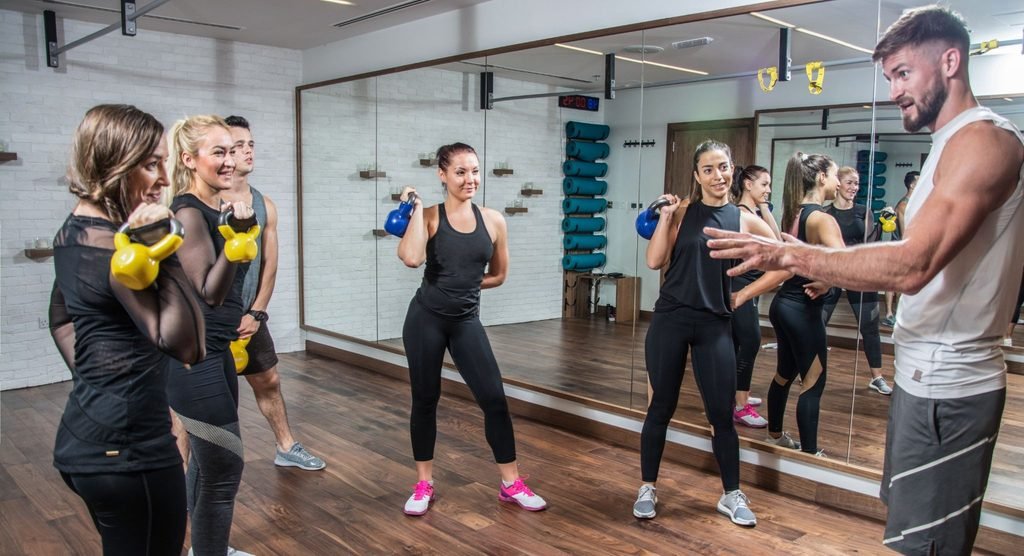
Dance creates a combination of physical and mental challenges that make it different from many other exercise styles.
Improved Coordination and Body Control
One major difference between dance and repetitive cardio activities is the amount of coordination required.
When performing dance movements, I need to:
- Follow rhythm
- Control body position
- Move different parts of my body together
- Adjust to changing patterns
This improves movement awareness and body control.
Coordination is an important part of physical fitness because everyday activities require controlled movement.
Simple actions like climbing stairs, maintaining balance, playing sports, or moving objects all depend on the ability to control the body effectively.
Research on dance has also highlighted improvements in areas such as physical function and movement ability.
Research on dance interventions and health outcomes highlights that dance-based activities may support improvements in physical performance and health-related outcomes.
Dance Can Improve Muscular Endurance
Although dance workouts are not designed to replace traditional strength training, they can contribute to muscular endurance.
Muscular endurance is the ability of muscles to continue working over time.
Many dance movements involve:
- Repeated squats
- Lunging patterns
- Core engagement
- Continuous arm movements
- Lower-body activation
Over time, these movements can help improve the ability of muscles to handle repeated activity.
For people who are new to exercise, dance workouts can provide an accessible way to become more physically active.
However, for goals such as maximizing muscle growth and strength, resistance training remains an important part of a complete fitness program.
Mental and Social Benefits of Dance Fitness
Exercise is not only a physical experience.
The mental side of fitness plays a major role in whether people continue long term.
Dance workout classes often create a more enjoyable environment because they combine:
- Music
- Movement
- Social interaction
- Skill development
This can make exercise feel less like a responsibility and more like an activity people look forward to.
Enjoyment matters because consistency is one of the strongest factors in achieving fitness results.
A workout that someone enjoys performing regularly may be more effective over time than a workout they avoid.
Benefits of dance fitness report showing that dance can support physical, mental, and social wellbeing through regular participation.
Dance Workout Classes vs Traditional Cardio: Understanding the Difference
Both dance workouts and traditional cardio can improve cardiovascular fitness, but they provide different experiences.
Traditional cardio activities often focus on repetitive movements performed for a specific duration.
Examples include:
- Running
- Cycling
- Walking
- Swimming
Dance workout classes use a different approach by combining exercise with rhythm, coordination, and changing movement patterns.
| Dance Workout Classes | Traditional Cardio |
| Uses music and rhythm to guide movement | Often follows repetitive movement patterns |
| Includes coordination and balance challenges | Mainly focuses on endurance |
| Provides variety through different movements | Usually follows a consistent pattern |
| Often creates a social workout environment | Frequently performed individually |
Neither approach is automatically better.
The best choice depends on personal goals, preferences, and lifestyle.
Some people enjoy the structure of traditional cardio, while others stay more consistent with dance because it feels enjoyable and engaging.
This leads to an important fitness principle:
The most effective exercise routine is often the one people can maintain consistently.
A workout does not create results because it is perfect on paper.
It creates results because people continue doing it over time.
Why Enjoyable Exercise Can Improve Long-Term Fitness Results
One of the biggest challenges in fitness is maintaining consistency.
Many people begin exercise programs with motivation, but motivation can decrease when workouts become repetitive or difficult.
Enjoyment can influence exercise behavior.
When an activity feels rewarding, people may be more likely to repeat it regularly.
Dance workout classes naturally include several elements that can improve exercise adherence:
- Music
- Variety
- Learning new movements
- Group participation
- A sense of achievement
This does not mean dance workouts are the only solution for building fitness.
Instead, they demonstrate an important idea:
A sustainable fitness routine should match both physical goals and personal preferences.
For some people, dance creates the motivation needed to stay active.
For others, strength training, running, or sports may provide the same benefit.
The best fitness approach is the one that fits into real life.
Choosing the Right Dance Workout Class for Your Goal
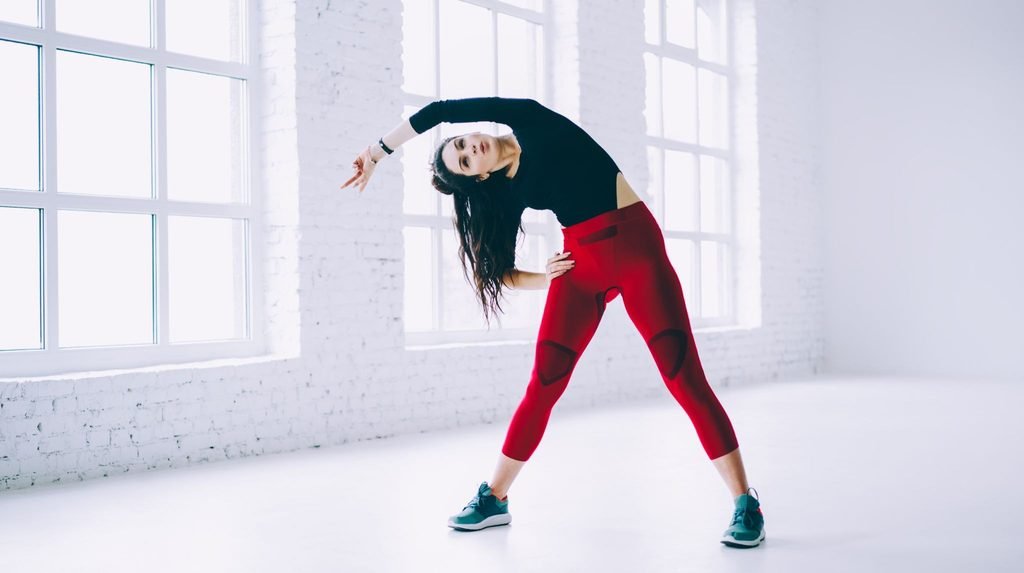
Not every dance workout class provides the same experience.
Different formats may focus on different fitness outcomes.
Understanding your goal can help you select an appropriate option.
For Improving General Fitness
Cardio-focused dance classes can be useful for people who want to increase their overall activity level.
These classes usually focus on:
- Continuous movement
- Moderate-to-high intensity
- Full-body activity
- Cardiovascular endurance
They can be a practical option for people who want an enjoyable alternative to traditional cardio.
For Beginners
Beginners should look for classes that provide:
- Simple movement patterns
- Clear instructor guidance
- Adjustable intensity
- Proper warm-up and cool-down
The goal is not perfect performance.
The goal is developing confidence and creating a habit of regular movement.
A beginner-friendly environment can make the transition into fitness easier.
For Higher Fitness Levels
More advanced dance fitness classes may include:
- Faster movement sequences
- More complex combinations
- Longer periods of activity
- Higher intensity
Progress should always match individual ability.
Increasing difficulty gradually helps reduce unnecessary strain and allows the body to adapt.
Expert Strategy: Combining Dance With a Complete Fitness Routine
Dance workout classes can be an excellent part of a balanced fitness program.
However, complete fitness involves more than one type of exercise.
A well-rounded approach combines training, nutrition, recovery, and lifestyle habits.
Training Strategy
I would use dance workouts mainly for:
- Cardiovascular conditioning
- Increasing daily movement
- Enjoyable exercise sessions
However, if the goal is improving strength and building muscle, resistance training remains an important component.
A complete fitness routine may include:
- Dance workouts for cardiovascular health
- Strength training for muscle development
- Mobility exercises for movement quality
Combining different forms of exercise can create a more balanced approach.
Nutrition Strategy
Exercise and nutrition work together.
Dance workouts require energy, and proper nutrition helps support performance and recovery.
Important nutrition habits include:
- Eating enough protein
- Choosing nutrient-dense foods
- Maintaining proper hydration
- Eating enough energy to support activity
Nutrition needs depend on individual goals, but a balanced diet supports better training outcomes.
Recovery Strategy
Recovery allows the body to adapt to exercise.
Important recovery habits include:
- Getting enough sleep
- Including rest days
- Managing workout intensity
- Practicing mobility exercises
More training is not always better if recovery is ignored
The body improves when it receives both the training stimulus and the recovery needed to adapt.
Lifestyle Strategy
The biggest advantage of dance fitness may be its ability to make movement enjoyable.
Long-term health improvements come from habits that people can realistically maintain.
A sustainable fitness routine should be:
- Enjoyable
- Flexible
- Realistic
- Repeatable
Dance workout classes can support this because they turn exercise into an experience rather than just a task.
How to Track Progress From Dance Workout Classes
Fitness progress is not only measured by appearance or body weight.
Dance workouts create improvements in different areas that can be tracked over time.
Physical Improvements
Track changes such as:
- Longer workout duration
- Improved endurance
- Better movement control
- Increased energy levels
These changes show that the body is adapting to regular activity.
Skill Improvements
Dance creates measurable skill development.
Progress can include:
- Learning new movements
- Better rhythm
- Improved coordination
- Increased confidence
These improvements are valuable because fitness is not only about physical changes.
It is also about becoming more capable and comfortable with movement.
Habit Improvements
One of the strongest signs of progress is consistency.
Track:
- How many sessions you complete each week
- Whether exercise feels easier to maintain
- Your enjoyment level
- Your recovery habits
A successful fitness routine is one that becomes part of your lifestyle.
My Final “Boring’’ Thoughts
Dance workout classes are a reminder that fitness does not always have to feel repetitive or stressful.
They combine physical activity with music, movement, and enjoyment, creating an approach that many people find easier to maintain.
Scientific research suggests that dance-based exercise can support cardiovascular fitness, physical function, coordination, and overall activity levels.
Citing a source cardiovascular fitness and regular exercise benefits showing that regular physical activity plays an important role in supporting heart health and overall wellbeing.
The most advanced workout program will not create meaningful results if people cannot maintain it.
The strongest fitness routine is one that combines science with sustainability.
Dance workout classes provide a powerful example of how fun movement can become a realistic part of a healthy lifestyle..
